
Noise Reduction: How New Windows Can Give You Peace in Busy Areas
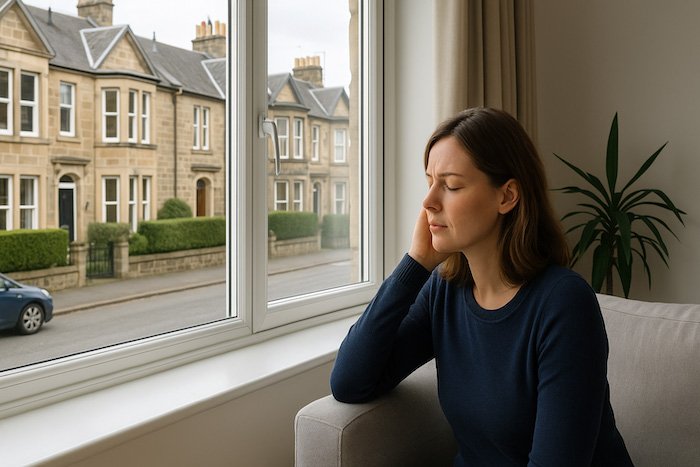
Living in a bustling city or near a busy road has its perks, great transport links, lively surroundings and plenty of amenities. But one of the biggest downsides? Noise. Traffic, trains, planes, or even late-night crowds can turn your home into a less-than-peaceful place. That’s why more and more homeowners are turning to soundproof windows in the UK to reclaim some calm and quiet. In this guide, we’ll explain how acoustic windows in Scotland work, what types of glazing are available and why they’re especially helpful for city homes in Glasgow, Edinburgh, and beyond. How Do Acoustic Windows Work? Acoustic (or noise-reducing) windows are designed to block or reduce the transfer of sound waves. They achieve this by: Using thicker glass: The denser the glass, the harder it is for sound to pass through. Laminated layers: Acoustic glass often sandwiches a special sound-dampening layer between panes. Different pane thicknesses: Varying the thickness of each pane disrupts sound vibrations and reduces noise further. Sealed gaps: Proper installation and airtight seals stop sound sneaking in around frames. Types of Noise-Reducing Glazing Standard double glazing: Offers some noise reduction but is limited against heavy traffic or constant urban noise. Acoustic double glazing: Uses laminated acoustic glass and thicker panes to cut sound significantly. Triple glazing: Adds an extra pane, which can reduce noise further while also boosting insulation. For many homes in busy Scottish areas, acoustic double or triple glazing is the sweet spot between performance and cost. Benefits for Busy Locations Near roads: Blocks the rumble of traffic and horns. Airport areas: Reduces the roar of planes overhead. City centres: Keeps out late-night noise from bars, buses and crowds. Railway lines: Diminishes vibrations and train sounds. Real-Life Examples in Scotland Glasgow flat on a main road: Upgrading to acoustic double glazing cut noise by around 40%, making evenings more comfortable. Edinburgh townhouse near Princes Street: Triple glazing kept out both tram noise and the hum of city nightlife. Aberdeen home close to the airport: Laminated acoustic glass made a dramatic difference to indoor peace. FAQs Can double glazing block traffic noise?It helps, but standard double glazing alone won’t fully stop heavy road noise. Acoustic or triple glazing is a much better solution. What’s the difference between acoustic glass and normal glass?Acoustic glass has a special interlayer that absorbs sound vibrations, reducing noise transfer far more effectively than standard glass. Is acoustic glazing more expensive?Yes, it costs more than standard double glazing, but the benefits in comfort and peace of mind are often worth it. Will noise reduction windows also save energy?Absolutely. Most acoustic windows also provide excellent insulation, so you’ll save money on heating bills too. Ready to Enjoy Peace and Quiet? If you’re tired of traffic, planes, or city noise disturbing your home, upgrading to acoustic windows in Scotland could be the perfect solution. At The UPVC Company, we supply and install soundproof windows across Scotland, tailored to busy locations from Glasgow to Edinburgh and beyond. Book your free noise reduction assessment today and take the first step towards a quieter, more comfortable home.
Installation Day: What to Expect When Replacing Your Windows & Doors
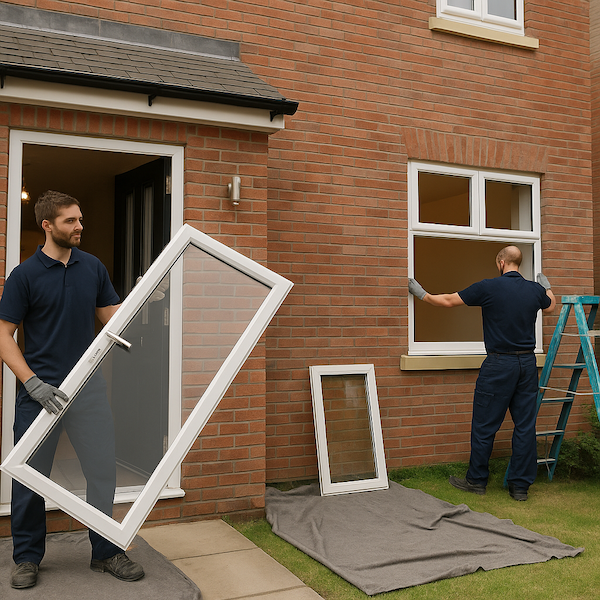
Thinking about upgrading your windows and doors? It’s a fantastic investment for your home, improving comfort, security and energy efficiency. But if you’ve never gone through the process before, you might be wondering what actually happens on installation day. This guide will walk you through everything you need to know about the replacing windows process in the UK, with a focus on what to expect from window installation in Scotland. Preparing Your Home A little preparation makes installation day go smoothly: Clear the area: Move furniture, ornaments and curtains away from windows and doors. Protect valuables: Installers will bring dust sheets, but it’s best to cover or remove anything delicate. Access: Make sure driveways and paths are clear so the team can bring in frames and glass safely. Tip: If you live in a tenement flat, check if scaffolding or extra access arrangements are required, your installer should handle permissions. What Installers Do on the Day Here’s a step-by-step overview of the process: Arrival & setup – The installation team arrives with tools, protective sheets, and your new windows/doors. Careful removal – Old frames are removed with as little disruption as possible. Fitting the new units – New windows/doors are securely fixed, levelled and sealed. Finishing touches – Trim, sealant and handles/locks are added. Testing – The installer checks that everything opens, closes and locks correctly. Typical Timeframes Single door: 2-3 hours Single window: 1-2 hours Full house (8-12 windows + doors): Usually 2-3 days These times can vary depending on property type and weather. In Scotland, installers sometimes adjust schedules if storms or heavy rain are forecast. Common Disruptions (and How to Handle Them) Noise & dust: Expect some drilling and hammering, plus dust when old frames are removed. Weather delays: Particularly relevant in Scotland, heavy rain or strong winds may cause pauses in work. Unexpected issues: Older properties can reveal hidden rot or structural challenges, but a good installer will explain solutions clearly. Clean-Up and Aftercare Our professional teams won’t leave your home in a mess. After installation you can expect: Rubbish and old frames taken away. All rooms swept/vacuumed. Windows cleaned and polished. A full demonstration of how to use your new locks and handles. Aftercare tips: Wipe frames occasionally, check seals seasonally and lubricate hinges/locks once or twice a year. Scotland-Specific Considerations Weather: Installers work year-round, but high winds and rain can cause rescheduling. Building regulations: Windows must comply with Scotland’s stricter U-value requirements for energy efficiency. Tenement flats: Some may need scaffolding or stair access agreements. Always use an installer experienced with these property types. FAQs Do I need to be at home during installation?It’s recommended. You don’t need to however, but being there helps if installers need quick decisions. Will there be a lot of mess?Not really. Good installers use dust sheets and tidy up thoroughly. There may be a bit of noise and dust during removal. How long does a full installation take?Most whole-house projects take 2-3 days, depending on size and weather conditions. What if it rains on installation day in Scotland?Light rain usually isn’t a problem. For safety, work may pause during heavy rain or storms. Ready to Book Your Installation? Replacing your windows and doors doesn’t have to be stressful. With the right team, the process is smooth, efficient and leaves you with a warmer, quieter and more secure home. At The UPVC Company, we’ve been helping homeowners across Scotland with expert window installation and door replacements for years. Book your free survey or installation quote today and let’s get your project started.
How to Choose the Best uPVC Windows for Your Scottish Home
If you live in Scotland, you’ll know how much our homes need to put up with wind, rain, chilly winters and the occasional burst of sunshine. One of the best ways to make your home warmer, quieter and more stylish is by upgrading your windows. But with so many choices out there, how do you know which are the best uPVC windows for your home? Don’t worry, we’ll walk through the different styles, energy-saving features, design options and even some Scotland-specific advice to help you make the right decision. Why are uPVC windows so popular in Scotland? uPVC windows are the go-to choice for many Scottish homeowners because they’re tough, low-maintenance, and cost-effective. Here’s the quick version: They stand up to Scotland’s damp climate without rotting or warping. They’re fantastic at keeping the heat in (and your bills down). A simple wipe-clean frame means no sanding, painting, or sealing. They’re one of the most affordable window materials available. Which window style should you choose? Casement windows These are the classic ones that open outwards on side hinges. They’re super secure and easy to use, a safe bet for almost any home. Tilt & turn windows Perfect if you want flexible ventilation. Tilt them inwards at the top to let air in or swing them open fully for easy cleaning. Great for flats or homes in busier areas. Sash windows If you live in a Victorian or Georgian property, sash windows are a must. Modern uPVC sash windows look just like traditional timber ones but give you the insulation and low-maintenance benefits of uPVC. What about energy efficiency? Keeping your home warm is a top priority in Scotland, and that’s where U-values come in. What’s a U-value? It’s basically a rating for how well a window keeps heat inside your home. The lower the number, the better. What should you aim for? In Scotland, windows with a U-value of 1.4 W/m²K or lower are recommended. Double or triple glazing? Double glazing is standard, but triple glazing can be a smart investment if you live somewhere particularly cold or exposed, like the Highlands or coastal towns. Do uPVC windows come in different colours and designs? Yes and the choice might surprise you! You’re no longer limited to plain white frames. Some of the most popular options include: Woodgrain finishes if you want the traditional look without the timber upkeep. Anthracite grey or black for a sleek, modern edge. Classic white for a clean, timeless appearance. You can also pick different handle finishes (chrome, brass, matte black) to match your interior style. Matching your windows to your home Scotland has such a wide mix of property styles, so here are some quick suggestions: Modern new-builds: Casement or tilt & turn designs in grey or black look fantastic. Period homes: Sash windows with a woodgrain finish help keep that authentic look. Stone cottages or farmhouses: Cream or oak finishes sit beautifully against stonework. Special things to think about in Scotland Weatherproofing: If your home is in a coastal or exposed area, it’s worth choosing reinforced frames and storm-resistant glazing. Condensation: Trickle vents or tilt & turn windows help keep air moving, reducing damp. Older housing stock: If you own a listed property, you may need planning permission for replacements, but modern uPVC sash windows often get approved where timber isn’t mandatory. FAQs How long do uPVC windows last in Scotland?On average, around 20–30 years. If you look after them properly, they can last even longer. Are triple glazed windows worth it here?If you’re in a colder part of Scotland or near a noisy road, absolutely. They keep more heat in and reduce outside noise. Can I swap old timber sash windows for uPVC?Yes you can and many homeowners do. Modern uPVC sash designs look almost identical but are much easier (and cheaper) to maintain. Will new windows really save me money on heating?Yes! By reducing heat loss, you could save up to 20% on your heating bills each year. Ready to make the switch? Choosing the right windows isn’t just about looks, it’s about making your home warmer, quieter and more comfortable for years to come. At The UPVC Company, we’ve helped thousands of homeowners across Scotland find the best uPVC windows for their property. Whether you live in a modern city flat or a traditional stone cottage, we can help. Book your free home survey today and start planning your upgrade.
Exploring the Range of UPVC Window Styles Available
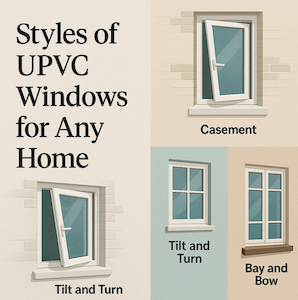
UPVC windows are prized for their versatility, offering a wide range of styles to suit any type of home. Whether you live in a traditional cottage or a modern townhouse, there’s a UPVC window style designed to enhance your property’s character while providing excellent performance. 1. Casement Windows – The Classic Choice Casement windows are hinged at the side and open outward, providing excellent ventilation and unobstructed views. They are one of the most common window styles in the UK due to their practicality and ease of use. Did you know? Casement windows can be fitted with friction hinges that allow you to keep them open at various angles, improving airflow without the worry of slamming shut on a windy day. 2. Sash Windows – Traditional Elegance Sash windows slide vertically and are iconic features in many period properties. Modern UPVC sash windows combine the classic look with modern benefits like double glazing and enhanced security. These windows are designed to be easy to clean and maintain, unlike older timber versions that require regular painting. 3. Tilt and Turn Windows – Flexible Ventilation Popular in modern homes, tilt and turn windows open inward and offer two opening options: tilting at the top for secure ventilation, or swinging inwards fully for easy cleaning. Their airtight seals and multi-point locking systems ensure superior energy efficiency and security. 4. Bay and Bow Windows – More Space and Light Bay and bow windows project out from the main walls, creating additional internal space and flooding rooms with natural light. UPVC versions are highly durable and require minimal upkeep compared to traditional timber frames. Did you know? Bay windows can add up to 15% to a property’s market value by enhancing curb appeal and interior space. 5. Fixed Windows – Style Without Ventilation Fixed windows don’t open but provide excellent natural light and views. They are often used as part of larger window combinations or to fill awkward spaces. UPVC fixed windows come with high-quality glazing and frames designed to withstand the elements while complementing other window styles. Choosing the right window style can enhance your home’s aesthetics, security, and energy performance. UPVC Company offers a comprehensive range of styles tailored to your property, backed by expert advice and professional installation across the UK. Ready to explore your options? Contact us today for personalised guidance and a free quote.
Why UPVC Windows Are the Best Choice for UK Homes
When it comes to choosing windows for your home, UPVC (unplasticised polyvinyl chloride) stands out as a clear favourite across the UK and for good reason. Combining long-term performance, affordability, and minimal upkeep, UPVC windows continue to be the top choice for homeowners looking for both practicality and style. 1. Energy Efficiency That Pays Off Did you know that up to 25% of your home’s heat loss occurs through poorly insulated windows? UPVC windows are engineered with multi-chambered frames that trap heat, drastically improving thermal insulation. When paired with double or triple glazing, they reduce your energy bills and help maintain a stable indoor temperature year-round. UPVC frames also outperform alternatives like timber or aluminium when it comes to retaining heat. This makes them particularly suited to the UK’s variable climate, where keeping homes warm efficiently is a must. 2. Low Maintenance, High Longevity Unlike wooden windows that require regular sanding, painting, or sealing, UPVC windows are virtually maintenance-free. A quick wipe-down with soapy water keeps them looking brand new. They won’t rot, flake, rust, or warp even after decades of use. Did you know? High-quality UPVC windows can last over 30 years without losing structural integrity or colour, especially those with UV-resistant coatings. 3. Security You Can Trust Modern UPVC windows are fitted with multi-point locking systems, internal glazing beads (to prevent removal from the outside), and reinforced frames for maximum protection. Their inherent strength adds a layer of security to your home, deterring break-ins and giving you peace of mind. 4. Noise Reduction for Urban Living Living near a busy street or flight path? UPVC windows can dramatically reduce external noise, especially when paired with acoustic glass or triple glazing. The multi-chamber frame design helps insulate against sound just as effectively as it does against heat. 5. Environmentally Responsible It’s a common myth that UPVC isn’t eco-friendly. In fact, UPVC is fully recyclable. Most reputable manufacturers, including UPVC Company, follow sustainable practices that reuse off-cuts and old frames. By reducing heat loss, these windows also help lower your household’s carbon footprint. 6. Aesthetic Versatility Forget the old-fashioned image of white plastic frames today’s UPVC windows come in a huge range of colours and finishes, including woodgrain textures that replicate the look of traditional timber. From sleek anthracite grey to natural oak, you can match your windows to any style of home. Whether you’re renovating a traditional terrace or building a modern new home, UPVC windows offer unbeatable value, durability, and performance. At UPVC Company, we supply and install premium UPVC windows across the UK, tailored to your home and budget. Ready to upgrade? Contact our expert team today for a free, no-obligation consultation.
UPVC Sliding Window Installation in Kirkcaldy, Scotland
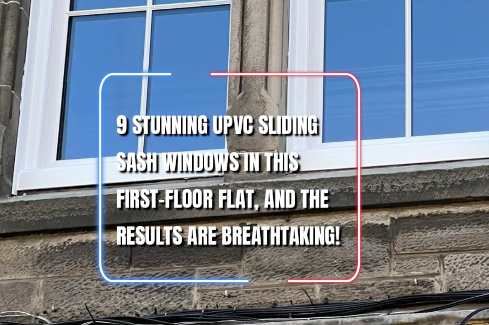
In the heart of Kirkcaldy, East Scotland, a remarkable transformation has taken place. Mr. Hutchison, a local landlord with a keen eye for both aesthetics and practicality, embarked on a project that would elevate the living standards of his first-floor flat. The centerpiece of this transformation? The installation of sleek, modern UPVC sliding windows by the renowned UPVC Company. A Vision for Modern Living When Mr. Hutchison first considered upgrading the windows of his flat, he was driven by a desire to enhance the property’s overall appeal and functionality. As a responsible landlord, he understood the importance of providing his tenants with a living space that was not only visually appealing but also secure, energy-efficient, and eco-friendly. The UPVC Company, known for their expertise and commitment to quality, was the obvious choice for this ambitious project. Breathtaking Aesthetics The installation of the UPVC sliding windows has completely transformed the flat’s appearance. The sleek, clean lines of the windows complement the building’s exterior, creating a modern and sophisticated look. The large glass panes invite natural light to flood the interior, creating a bright and airy atmosphere that instantly makes the space feel more inviting and spacious. Tenants now enjoy stunning, unobstructed views of the surrounding landscape, a feature that has undoubtedly added to the flat’s appeal. Superior Security While the visual impact of the new windows is undeniable, the transformation goes far beyond aesthetics. Security is a top priority for any landlord, and Mr. Hutchison is no exception. The UPVC sliding windows installed in the flat are designed with advanced security features that provide peace of mind to both the landlord and the tenants. These windows are equipped with multi-point locking systems, which significantly enhance the property’s security. The robust UPVC frames are virtually maintenance-free and resistant to warping or rusting, ensuring long-lasting protection against the elements and potential intruders. For Mr. Hutchison, knowing that his tenants are safe and secure is priceless. Eco-Friendly and Energy-Efficient In today’s world, energy efficiency is more important than ever. Mr. Hutchison’s decision to install UPVC sliding windows was influenced by the desire to reduce the flat’s carbon footprint and energy costs. The UPVC Company’s windows are designed with double-glazed panes that provide superior insulation. This means that the flat retains heat more effectively in the winter and stays cooler during the summer, reducing the need for artificial heating and cooling. As a result, the tenants benefit from lower energy bills and a more comfortable living environment. Moreover, the eco-friendly nature of UPVC windows—being fully recyclable—aligns perfectly with Mr. Hutchison’s commitment to sustainability. A Testament to Quality The transformation of Mr. Hutchison’s flat in Kirkcaldy is a testament to the power of thoughtful upgrades and quality craftsmanship. The UPVC Company has once again demonstrated their ability to deliver results that not only meet but exceed expectations. The new sliding windows have breathed new life into the property, enhancing its appeal, security, and energy efficiency. For Mr. Hutchison, this investment is more than just a property upgrade; it’s a commitment to providing a superior living experience for his tenants, one that is both modern and environmentally responsible. As the sun sets over Kirkcaldy, the flat’s new windows catch the last rays of light, a symbol of the bright future that awaits within.
Transform Your Home with Stylish, Eco-Friendly UPVC Windows and Doors
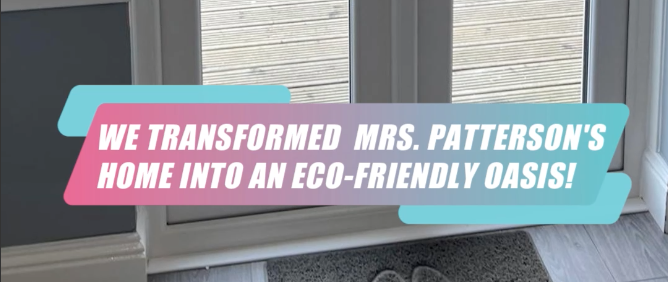
When Mrs. Patterson decided it was time to give her home a fresh look, she knew she wanted something that would not only enhance the aesthetics but also provide practical benefits. After careful consideration, she chose to upgrade her windows and doors to UPVC, a decision that transformed her property both inside and out. The Beauty of New Windows The first step in Mrs. Patterson’s home transformation was replacing her old, tired windows with sleek, modern UPVC windows. The difference was immediate and striking. The new windows brought a crisp, clean look to her home’s exterior, perfectly complementing the overall design. But the benefits didn’t stop at aesthetics. These UPVC windows are crafted to be energy-efficient, helping to reduce heat loss during the winter and keeping her home cooler in the summer. This upgrade significantly reduced Mrs. Patterson’s energy bills, as her home is now better insulated, reducing the need for excessive heating and cooling. This not only saves money but also reduces her carbon footprint, making her home more environmentally friendly. Elegance and Functionality with New French Doors Next on Mrs. Patterson’s list were the French doors leading to her garden. The old doors were drafty and no longer aligned with the sophisticated look she envisioned for her home. The new UPVC French doors were the perfect solution. With their expansive glass panes, they allowed natural light to flood into her living space, creating a warm and inviting atmosphere. But beyond their beauty, these French doors also provided superior security. UPVC is known for its strength and durability, and these doors were no exception. Equipped with advanced locking mechanisms, they offered Mrs. Patterson peace of mind, knowing that her home was secure. Additionally, the doors were designed to be energy-efficient, further contributing to her goal of creating an eco-friendly home. A Grand Entrance with a New Composite Door The crowning glory of Mrs. Patterson’s home makeover was the installation of a new composite front door. This door was carefully chosen to match the style of her home while offering the highest level of security. Composite doors are renowned for their robustness, combining a variety of materials to create a door that is both strong and visually appealing. The new front door not only added a touch of elegance to Mrs. Patterson’s home but also provided excellent insulation, helping to keep her home warm during the colder months. Like the windows and French doors, the composite door was an eco-friendly choice, contributing to a reduction in her home’s overall carbon footprint. The Final Result: A Beautiful, Eco-Friendly Home Mrs. Patterson’s decision to upgrade her home with UPVC windows, French doors, and a composite front door has completely transformed her property. The results are breathtaking—a stylish, secure, and energy-efficient home that not only looks fantastic but also aligns with her commitment to sustainability. If you’re considering a home improvement project, take inspiration from Mrs. Patterson’s journey. With UPVC windows and doors, you can reduce your carbon footprint with style, enhance the security of your home, and enjoy the long-term benefits of energy efficiency. Transform your property today, and experience the difference that these superior products can make.
Transform Your Home with UPVC windows and Doors
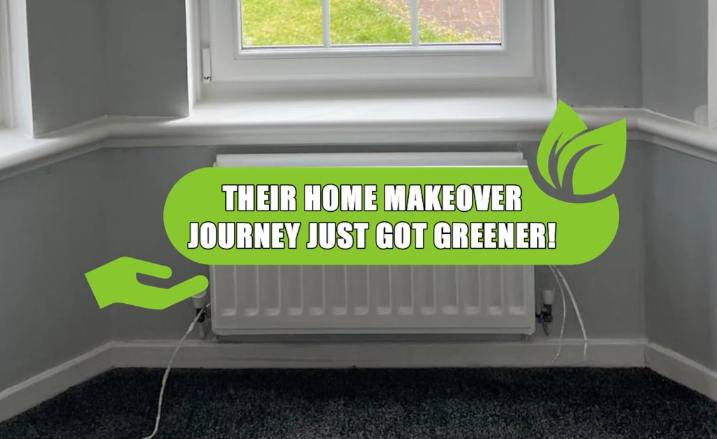
When it comes to home improvement, finding the perfect balance between aesthetics, security, and eco-friendliness can seem daunting. However, our recent installation in Motherwell showcases just how seamless and transformative this process can be. By replacing old fittings with new uPVC windows, elegant French doors at the back of the house, and a modern composite door at the front, the property has been given a stunning new lease of life. A Stylish Transformation The first thing you’ll notice about this home is its fresh, contemporary look. The new uPVC windows and doors add a sleek, modern feel that instantly enhances the overall appearance of the property. uPVC is a material that has become increasingly popular in recent years due to its durability and low maintenance requirements. Unlike traditional wooden frames, uPVC doesn’t warp, rot, or fade, making it an ideal choice for homeowners looking for a long-lasting solution. The installation of new French doors at the back of the house was a game-changer, not only opening up the space but also allowing more natural light to flood into the interior. These doors create a seamless transition between the indoor and outdoor areas, making the garden feel like an extension of the living space. Whether you’re hosting a summer barbecue or enjoying a quiet morning coffee, these doors provide the perfect backdrop. At the front of the house, the new composite door stands out as a statement piece. Composite doors are renowned for their strength, security, and aesthetic appeal. Made from a combination of materials, including a solid timber core, uPVC, and glass-reinforced plastic (GRP), composite doors are not only incredibly sturdy but also available in a wide range of styles and colors to suit any home. In this installation, the door perfectly complements the overall design of the house, providing a warm and inviting entrance. Eco-Friendly and Energy Efficient Beyond their aesthetic appeal, the new uPVC windows, French doors, and composite door offer significant eco-friendly benefits. One of the primary advantages of uPVC windows is their excellent thermal insulation properties. By installing these windows, the homeowners can reduce heat loss, which in turn lowers energy consumption. This is a crucial factor in reducing the carbon footprint of the home, making it not just stylish but also environmentally responsible. The energy efficiency doesn’t stop there. The composite door at the front of the house is also designed with insulation in mind. Its robust construction and weather-resistant properties ensure that it effectively keeps out the cold, helping to maintain a comfortable temperature inside the home throughout the year. This means less reliance on heating systems during the winter months, further contributing to energy savings. Superior Security In addition to their style and eco-friendliness, the new installations provide a significant upgrade in security. uPVC windows come equipped with advanced locking mechanisms, making them far more secure than older, outdated windows. The composite door, known for its strength, also features multi-point locking systems, providing the homeowners with peace of mind. Conclusion Our recent installation in Motherwell is a perfect example of how modern home improvements can deliver a multitude of benefits. The combination of new uPVC windows, French doors, and a composite door has not only transformed the look of the property but also enhanced its security, energy efficiency, and eco-friendliness. If you’re considering a home upgrade, these stylish and practical solutions are sure to make a significant impact, allowing you to reduce your carbon footprint while enjoying a more beautiful and secure home.
Is the Anthracite Grey glazing and door trend here to stay?
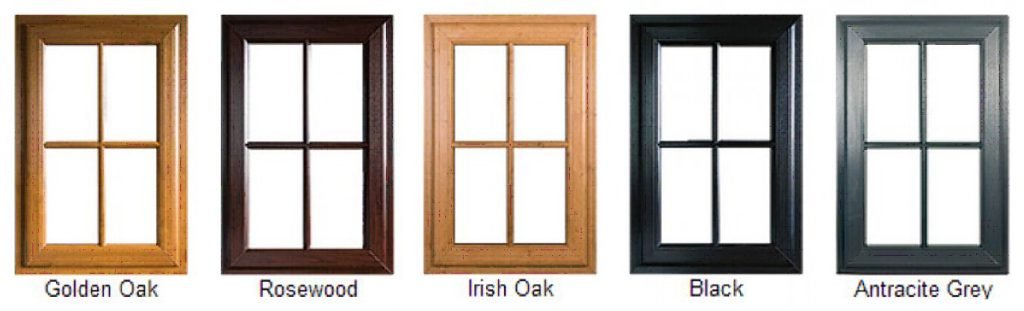
If you are looking to upgrade your windows and doors with contemporary and modern detailing, we think that Anthracite Grey may be the ideal choice to complement your property. Anthracite Grey windows and front doors are a fast-growing trend amongst UK homeowners with the stylish and refined hue looking impressive on both period and modern buildings. You may have thought that traditional British weather provides more than enough grey in our communities, but Anthracite Grey is no ordinary grey. Anthracite Grey is named after the lustre and iridescence of a particular type of coal. This stately hue brings out the details in your property and complements most plaster and brickwork tones as well as having some enlivening green and blue tones that are brought out by sunnier days. When you see the beautiful glazing and doors you can enjoy for your property were sure that you will be smitten! Anthracite Grey has real longevity. Many property developers, landlords and homeowners are opting for darker colours for their property exterior and the good thing about Anthracite Grey is that even though it is a dark colour it retains liveliness and warmth. That’s why we think that Anthracite Grey is a great colour choice for a long term investment like double glazing for your home, it is a classic colour that will look impressive for years to come. Anthracite Grey uPVC double glazing is a tasteful alternative for your new windows. Design specialists are hailing Antracite Grey double glazing as the first truly viable alternative to the classic white of uPVC windows. The applied colour is scratch resistant and will not fade over time and like standard white uPVC remains easy to maintain. Being a dark colour, Anthracite Grey absorbs light and heat, so it may provide unexpected thermal benefits. So you can enjoy all the fine engineering and security of contemporary double glazing with a beautiful colour that will withstand everything the weather throws at it. Anthracite Grey windows and doors make a sophisticated combination. To up the wow factor for the exterior of your home, why not pair your Anthracite Grey windows with a polished composite front door. Composite doors combine everything great about both timber and uPVC front doors to produce a door with superior performance, durability and security. They come in a wide range of colours including Anthracite Grey. If you want to opt for a different door colour anthracite grey glazing will complement a range of front door colours and styles. Call us to learn more about how your home can be upgraded to beautiful Anthracite Grey If you are looking to revamp your homes windows and doors, or even conservatory with this stylish Antracite finish, we are one of the nations leading suppliers and installers of made to measure windows. Contact us to arrange your complementary site visit where you can take a closer look at our Anthracite Grey range of high specification uPVC windows and doors.
Is Triple Glazing Worth It?
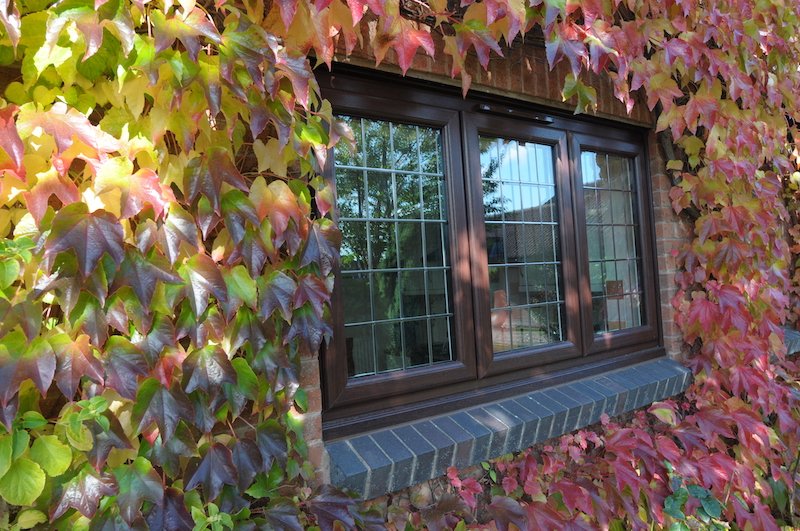
When you are looking to shave some £££s off your energy bills, tackling those old draughty windows may immediately spring to mind. You may be aware that traditional double glazing has now been upgraded to new triple glazing that promises even more insulative benefits for your home. Unlike regular double glazing that is a sandwich of inert gas sealed between two panes of performance glass, triple glazing takes things a step further with three panes of glass separated by the gas layers for increased insulationfor your home. Of course, triple glazing does come at a premium. At the best of times, making a decision on the best windows and doors for your home can be tricky as you want to make the right investment. Our question is, is triple glazing worth it for the average British home? Deciding to upgrade to triple glazing is not a straightforward decision. Opting for triple glazing would be an easy decision if double glazing did not have the exemplary thermal and acoustic performance it does. And over time, innovations in the glass technology and engineering of double glazed windows has meant that thermal performance has consistently improved. To objectively evaluate the performance gains you can expect with triple glazing versus double glazing it is best to take a look at 3 key parameters, that your window manufacturer can provide: Window Energy Ratings (WER) is a helpful energy rating system for windows produced by the British Fenestration Rating Council. You can use these standardized ratings to compare triple and double glazed windows to which ones will add more heat to your home. U value measures the thermal performance of your windows. Lower U values mean that the windows will help retain more heat in your home. G value is the solar factor of the windows, the amount of sunlight that can pass through your window into your home to warm it up. Triple glazed windows tend to carry higher WER ratings (A++ or higher) than double glazed windows (A and above). The U values of triple glazing are also lower with a slightly higher G value due to the additional glass. However the ratings for many high-quality double glazed windows are already more than adequate for our climate and weather conditions. If it ain’t broke… If you are keen to save money on your new windows it may be more cost effective for many British households to purchase double glazing rather than triple glazing. This is because performance double glazing already delivers exceptional energy bill savings which may not be fully matched by the additional cost required to upgrade to triple glazing. If you are keen to include some triple glazing in your property, it may prove practical and cost-effective to prioritize the windows in your home that do not get as much sunlight, where triple glazing can really prove its worth. We are here to offer advice and expertise on how you can install new windows that deliver maximum performance and value! Talk to our helpful team of reputable local tradesmen about the best approach to installing performance glazing in your home. We would be delighted to undertake a site visit where we can advise you on the types of glazing that will work best for specific windows in your home. Learning more is simple as reaching out by phone or email and our team will be delighted to assist you.
Window Energy Ratings – A Concise Guide
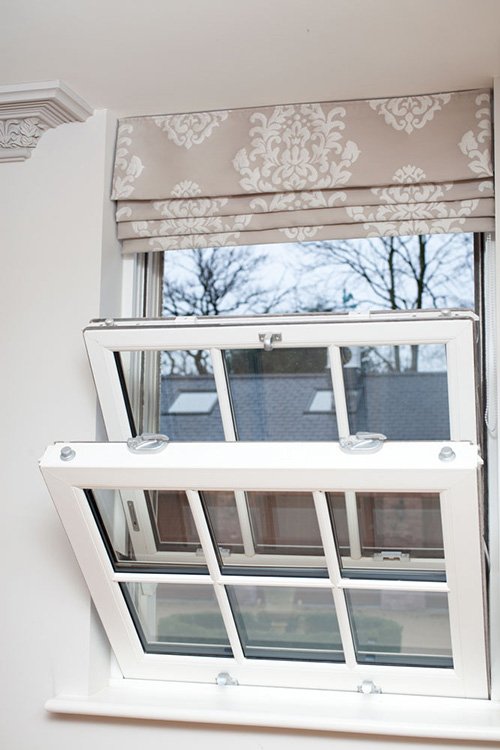
We’re first to admit that the double glazing trade is full of jargon that can be confusing if you are trying to settle on the type of windows and doors that will be right for your home. But some of those terms and ratings are useful in helping you evaluate the performance of a particular window. Because windows vary in type, quality and performance between manufacturers and companies, there are industry standards that can be used to robustly assess and rate windows so you can objectively compare them. As a prospective double glazing customer, the key rating you need to be familiar with is the Window Energy Rating (WER) system. This rating system has been developed and delivered by the British Fenestration Rating Council (BFRC) a leading national and European body in the glazing industry. The WER system provides the industry standard for verifying and rating the energy performance of double and triple glazed windows. The WER rating system provides letter-graded ratings for double glazed windows and doors. Their trusted rainbow rating confirms that double glazing products have been verified for performance by industry experts. The rating does not only covers the glass but the entire system including seals and frames, providing confidence that your new windows will perform as promised. Let’s take a closer look at the first 3 ratings: A, B, and C. A rating: Just like your exam grades at school. An A, A+, or A++ rating is the best you can get. Like fridges and freezers, A-rated windows are the most energy-efficient and should make the most impact on your household energy consumption and bills. B rating: B rated windows still provide exemplary thermal efficiency, but do not match the performance of A-rated windows. B-rated windows are usually cheaper meaning that your up-front costs for new glazing are lower. C rating: C rated windows have slightly less performance than the B rated windows and therefore are cheaper still. They may prove an accessible or affordable option if you are looking to upgrade your glazing on a budget. These letters matter as building regulations specify a minimum performance for your new windows. You may think you can save money by purchasing D, E or even F rated windows, but if you do, you will fall foul of building regulation. This is because, by law, replacement windows must have at least a C rating for energy efficiency or equivalent U-value. We are ready to help you choose the best windows for your property and budget. One of the most satisfying aspects of our trade is seeing just how much people can save by investing in the right windows. We are on hand to provide the advice and information that you need to pinpoint windows with the perfect design performance and price point for your home. Contact us by phone or email to ask us anything about windows. We will be pleased to answer all questions and if you would like, our team will arrange a complimentary visit to measure your home for new windows, free of charge.