

2026 Trends in Window Colours & Finishes: What’s Hot Right Now
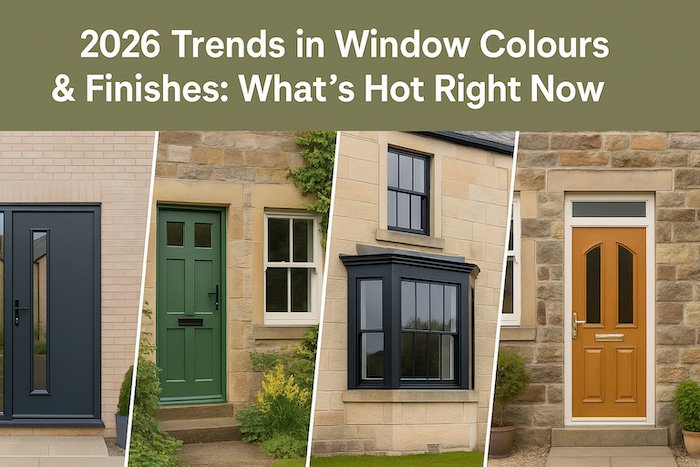
Windows and doors are no longer just about practicality, they’re a huge part of your home’s style. As we move into 2026, bold colours, sleek finishes and statement hardware are defining the latest window colour trends in the UK. Whether you live in a modern new-build in Glasgow or a traditional stone cottage in the Highlands, the right choice of finish can completely transform your home’s look and feel. Let’s explore the modern window finishes and door hardware design trends in Scotland that are set to dominate this year. Trending Window Colours for 2026 Anthracite Grey – Still hugely popular, this sleek shade continues to be a go-to for modern builds. Forest Green & Sage – Natural tones are on the rise, bringing a calm, earthy vibe that complements gardens and traditional cottages. Jet Black Frames – Perfect for bold, contemporary homes or period properties with a modern twist. Cream & Off-White – A timeless choice that softens the look of stone-built houses across Scotland. Dual-Colour Frames – One colour outside (to suit the property exterior), another inside (to match interior décor). Woodgrain Foils: Timber Look Without the Upkeep Homeowners love the charm of timber but not the maintenance. That’s where woodgrain foils come in. Popular finishes for 2026 include: Golden Oak – Warm and classic, ideal for countryside cottages. Rosewood – Rich and traditional, works beautifully with Victorian or Edwardian homes in Edinburgh. Light Oak & White Ash – Subtle, modern choices that give a softer edge to stone or brick exteriors. These finishes mimic the look of real wood but keep the benefits of low-maintenance uPVC. Door Hardware & Finishes It’s not just the frames, door hardware design in Scotland is making a statement too. Popular choices include: Matte Black Handles & Hinges – Pairing perfectly with black frames for a contemporary edge. Brushed Chrome & Satin Nickel – Sleek and modern, perfect for new builds. Polished Brass & Antique Finishes – Adding character and warmth to traditional properties. Blending Styles with Scottish Homes Traditional Stone Cottages: Opt for cream or sage green frames with woodgrain foils to blend with natural stone. Hardware in brass or antique black works beautifully here. Victorian & Georgian Properties: Rosewood or dual-colour frames retain historic charm while providing modern performance. Modern New-Builds: Anthracite grey or jet black frames with chrome handles create a clean, stylish look that stands out. FAQs Can I change the colour of existing uPVC windows?Yes, specialised sprays and foils can refresh your existing frames. However, many homeowners choose to replace with new coloured frames for better results and longevity. Are darker window frames harder to maintain?Not really. Modern finishes are fade-resistant and easy to clean with warm soapy water. Do coloured windows cost more?Coloured or woodgrain foils usually come at a small premium compared to plain white, but the design impact often makes it worth it. Will these finishes work with listed buildings in Scotland?Some conservation areas have restrictions, but many modern woodgrain uPVC designs are approved as suitable alternatives to timber. Upgrade Your Home with 2026’s Hottest Styles Ready to give your home a fresh new look? At The UPVC Company, we offer a wide range of modern window colours, woodgrain foils and stylish hardware finishes, perfect for both traditional and modern Scottish homes. View and order our latest window and door styles online today and stay ahead of the 2026 design trends.
How to Spot & Avoid Rogue Installers: 5 Red Flags When Choosing a Window Company

Choosing new windows and doors is a big investment, one that should improve your home’s comfort, security and value. But sadly, not every installer is trustworthy. Across the UK, there are still rogue traders cutting corners, overcharging or leaving homeowners with poor-quality work. If you’re looking to choose a window installer in the UK, here are five clear red flags to watch for, plus practical tips on how to avoid rogue traders in Scotland and find the best window companies instead. Red Flag 1: No Written Quotes or Contracts If a company refuses to put their prices in writing, it’s a major warning sign. A professional installer will always provide a clear, itemised written quote and contract before work begins. Tip: Compare at least 2-3 written quotes from different installers before making a decision. Red Flag 2: No Insurance or Guarantees Trusted companies carry public liability insurance and offer guarantees on both products and installation. If they don’t you could be left out of pocket if something goes wrong. Tip: Always ask for proof of insurance and a guarantee in writing. Red Flag 3: No Online Reviews or References In today’s world, every reputable window company should have reviews on Google, Trustpilot or social media. If you can’t find any, or worse, only find negative ones, steer clear. Tip: Ask to see recent customer references or even photos of completed projects in your area. Red Flag 4: Pushy Sales Tactics Rogue installers often use high-pressure sales, claiming a “limited-time offer” or insisting you sign on the spot. A genuine company will give you time and space to decide. Tip: Walk away from anyone who won’t let you think it over. The best companies rely on reputation, not scare tactics. Red Flag 5: No Accreditations or Memberships In Scotland and across the UK, trusted installers are usually members of industry bodies such as: FENSA (Fenestration Self-Assessment Scheme) CERTASS TrustMark If they can’t prove accreditation, it’s a red flag. Tip: Always check their credentials online. FENSA, for example, has a searchable database. How to Find the Best Window Companies in Scotland Check accreditations: Make sure they’re FENSA or CERTASS registered. Look for guarantees: At least 10 years is standard for windows and doors. Read reviews: Google, Facebook and independent review sites. Ask about aftercare: Reliable companies will offer maintenance advice and support after installation. Shop local: Established local installers are more likely to care about their reputation in the community. FAQs How do I check if a window company is FENSA registered?Visit the official FENSA website and use their “Company Search” tool to confirm registration. Do all installers in Scotland need to be FENSA registered?Not necessarily but if they aren’t, they should have an equivalent certification (like CERTASS) to prove compliance with building regulations. What guarantees should I expect?Most reputable companies provide at least a 10-year guarantee on frames, glazing and installation. What’s the safest way to pay for new windows?Avoid cash-only deals. Pay by card or bank transfer and make sure you receive an invoice or receipt. Protect Your Home with a Trusted Installer Don’t let rogue traders put your investment at risk. By knowing the red flags and checking credentials, you can confidently choose one of the best window companies in Scotland. At The UPVC Company, we’re proud have hundreds of happy customers, we provide high-quality windows and doors across Scotland. Contact our accredited team today, or order online for the best quality windows and doors at guaranteed prices.
Before & After – Transforming a Victorian Home with New Windows & Doors
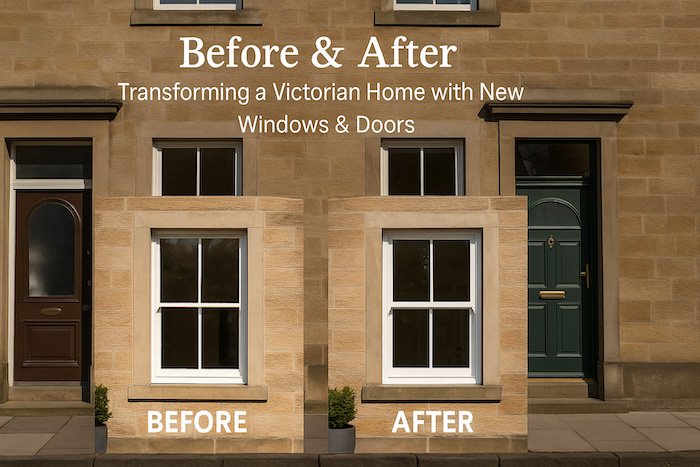
Victorian homes are among the most beautiful and characterful properties in the UK, but they can also be some of the hardest to maintain. Original sash windows, draughty timber frames and worn-out doors often mean higher energy bills and a less comfortable living space. We take a look at how one Victorian home in Scotland was transformed with new windows and doors showcasing the challenges, the process and the stunning results. The Challenge: Preserving Character While Improving Comfort Our clients owned a Victorian sandstone home in Edinburgh. Like many period properties, it had: Original timber sash windows that were draughty and prone to condensation. A front door that looked elegant but had gaps that let in cold air. Insulation issues, making heating costs higher than average. The added difficulty of being in a conservation area, meaning upgrades had to be sympathetic to the building’s historic character. The goal was clear: replace the old windows and doors with modern, energy-efficient alternatives that would still look authentic. The Process: Careful Planning & Skilled Installation Survey & PermissionsWe carried out a detailed survey and supported the homeowners in obtaining permission for replacements in a conservation area. Choosing the Right WindowsTo maintain the traditional appearance, we recommended uPVC sash windows with a woodgrain foil finish. These provided the authentic look of timber but with far better insulation and zero ongoing painting or sealing. Selecting a New DoorA composite front door was chosen in a deep heritage green, complete with traditional brass hardware, to complement the Victorian style while offering modern security. InstallationOur installation team carefully removed the old frames, preserving the surrounding stonework. New units were fitted with precision, ensuring airtight seals to prevent draughts. The Results: A Victorian Home Reimagined The transformation was striking: Before: Cold rooms, rattling windows, condensation and high energy bills. After: Beautiful sash-style windows that retained period charm, a draught-free composite door and dramatically improved warmth and comfort. The homeowners reported: A noticeable drop in heating bills within the first winter. Quieter interiors, thanks to modern glazing reducing outside noise. The reassurance of added security from modern locks. Compliments from neighbours who couldn’t tell the windows weren’t original timber! This before and after new doors and windows project is a great example of how traditional style and modern performance can work hand-in-hand. FAQs Can you replace windows in listed Scottish buildings?Yes, but you’ll usually need planning permission. uPVC sash windows and heritage-style composites are often approved in conservation areas as timber alternatives. Will new windows really reduce my heating bills?Absolutely. A-rated windows and doors can cut heat loss by up to 20%, making a big difference in older homes. Do modern sash windows still slide like originals?Yes. Today’s uPVC sash designs replicate the look and function of traditional timber but without the draughts and maintenance. Can composite doors be styled to match Victorian homes?Yes. Composite doors are available in heritage colours like green, red and navy, with classic hardware options to suit period properties. Ready to Transform Your Home? Whether you live in a Victorian terrace, Georgian townhouse, or modern new-build, the right windows and doors can make a huge difference to comfort, energy efficiency and kerb appeal. At The UPVC Company, we specialise in installing Victorian-style windows and doors across Scotland. Book your free survey today or order direct from our website for the best prices and top-quality products.
Maintenance Checklist for Your uPVC Windows and Doors (Season-by-Season)
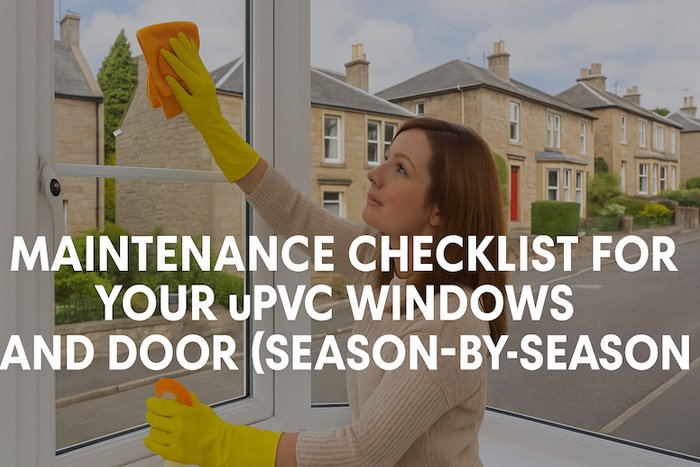
One of the best things about uPVC windows and doors is how low-maintenance they are. Unlike timber, they don’t need painting or sealing every few years. But that doesn’t mean they can be ignored entirely. With a little seasonal window care, you can keep your uPVC frames looking great and working smoothly for decades. Here’s a simple maintenance checklist for uPVC windows and doors in Scotland, broken down by season so you can stay on top of cleaning, lubrication and weatherproofing all year round. ???? Spring: Refresh After Winter Clean uPVC frames: Use warm soapy water and a soft cloth to wash away dirt, salt and grime built up over winter storms. Avoid abrasive cleaners. Check seals and gaskets: Look for cracks or damage that could let in draughts. Inspect for condensation damage: If you see misting between panes, it could be a sign of failed seals. Lubricate locks and hinges: A light spray of silicone lubricant helps keep moving parts working smoothly. ☀️ Summer: Light Maintenance & Ventilation Open and test windows fully: Make sure all sashes and hinges open and close smoothly. Clean glass inside and out: Use a streak-free cleaner to keep views clear in the brighter months. Check ventilation features: Trickle vents should be dust-free so they allow airflow. Touch-up weather strips: Replace any worn ones before the cooler months return. ???? Autumn: Prepare for Colder Weather Inspect drainage holes: Clear leaves and debris from window frames and door thresholds. Check locks and handles: Make sure they’re sturdy and working, security matters when nights get longer. Examine caulking and sealant: Replace if cracked or peeling to keep out draughts and moisture. Deep clean frames: Prevent dirt build-up that could stain or dull the finish. ❄️ Winter: Protection Against Cold & Damp Monitor condensation: Regularly wipe frames to prevent mould and ensure rooms are ventilated. Check for draughts: Run your hand around frames and doors; if you feel cold air, seals may need replacing. Avoid forcing frozen windows: If frames freeze, gently warm the area rather than forcing them open. Keep locks lubricated: Cold weather can cause them to stiffen. FAQs How do I stop condensation on my windows in winter?Use trickle vents or slightly open windows to improve airflow. Running a dehumidifier can also help. What should I clean uPVC frames with?Mild soapy water is best. Avoid bleach or scouring pads, which can damage the finish. How often should I lubricate window hinges?Once or twice a year is enough, usually in spring and autumn. What’s the lifespan of uPVC windows and doors?With proper care, they typically last 20-30 years or more. Keep Your Windows & Doors in Top Shape Looking after your windows and doors doesn’t have to be complicated. With a simple seasonal routine, you’ll keep them looking fresh, working smoothly and saving energy all year round. At The UPVC Company, we provide high-quality uPVC windows and doors across the UK, delivered straight to your door. Order today with free UK-wide delivery and give your home the upgrade it deserves.
Energy-Saving Upgrades: How New Windows & Doors Can Cut Your Bills

With rising energy costs across the UK, homeowners are looking for smarter ways to make their homes warmer, more efficient and cheaper to run. One of the most effective changes you can make is upgrading to energy efficient windows and doors. In Scotland especially, where the winters are long and the weather is unpredictable, the right windows and doors can make a noticeable difference to your comfort and your bank balance. Let’s explore how these upgrades can help you reduce heating bills in Scotland and future-proof your home. How Much Heat is Lost Through Old Windows and Doors? According to the Energy Saving Trust: Around 18-20% of heat is lost through windows. A further 15% of heat escapes through external doors. That means more than a third of your heating could literally be slipping outside if your windows and doors aren’t up to scratch. Understanding U-Values When shopping for energy efficient windows in the UK, you’ll see something called a U-value. What is it? A U-value measures how effective a material is at preventing heat loss. The lower the number, the better. In Scotland, building regulations generally require new windows to achieve a U-value of 1.4 W/m²K or lower. This ensures your home holds onto warmth during those long Scottish winters. Double vs Triple Glazing Double glazing: Standard across the UK, with two panes of glass separated by a gap filled with argon gas. It’s effective for most homes. Triple glazing: Offers even better insulation and noise reduction, making it ideal for colder or exposed locations like the Highlands or coastal towns. While triple glazing is more expensive, the energy savings and comfort often justify the investment, especially in Scotland’s climate. Draught Reduction: The Hidden Energy Saver Even the best glass won’t help if draughts sneak in around frames and seals. Upgrading to modern uPVC or composite doors and well-fitted windows means: Fewer draughts Consistent indoor temperatures Less reliance on central heating For example, a family in Aberdeen recently swapped their 25-year-old windows for new A-rated units and saw a 15% reduction in their annual heating bills. Real-Life Case Examples in Scotland Edinburgh Tenement Flat: Replacing old timber sash windows with modern uPVC sash units cut condensation and reduced heating bills by around £200 per year. Glasgow Semi-Detached Home: Installing a new composite front door and triple glazing in the living room improved comfort and saved nearly £250 annually. Highlands Cottage: With triple glazing and weather-sealed back doors, the property stayed warmer through winter storms while lowering energy use by 20%. FAQs Are triple glazed windows worth it in Scotland?Yes, especially in colder or windier areas. They offer superior insulation and can reduce both energy bills and outside noise. How much money can new windows save me?Upgrading from single to double glazing can save up to £155 per year on energy bills for a detached home (Energy Saving Trust). Triple glazing can increase savings further. Do new doors make a big difference?Definitely. Modern composite and uPVC doors are far better at keeping out draughts and locking in heat compared to older timber doors. What’s the lifespan of energy efficient windows?Quality uPVC windows typically last 20-30 years, while composite doors often last even longer. Ready to Cut Your Energy Bills? Upgrading your windows and doors is one of the most effective energy-saving investments you can make. Whether you want to lower heating costs, reduce draughts or simply feel more comfortable in your home, we can help. At The UPVC Company, we install energy efficient windows and doors across Scotland tailored to your property and budget. Book your free energy-efficiency consultation today and start saving money while staying warm.
Noise Reduction: How New Windows Can Give You Peace in Busy Areas

Living in a bustling city or near a busy road has its perks, great transport links, lively surroundings and plenty of amenities. But one of the biggest downsides? Noise. Traffic, trains, planes, or even late-night crowds can turn your home into a less-than-peaceful place. That’s why more and more homeowners are turning to soundproof windows in the UK to reclaim some calm and quiet. In this guide, we’ll explain how acoustic windows in Scotland work, what types of glazing are available and why they’re especially helpful for city homes in Glasgow, Edinburgh, and beyond. How Do Acoustic Windows Work? Acoustic (or noise-reducing) windows are designed to block or reduce the transfer of sound waves. They achieve this by: Using thicker glass: The denser the glass, the harder it is for sound to pass through. Laminated layers: Acoustic glass often sandwiches a special sound-dampening layer between panes. Different pane thicknesses: Varying the thickness of each pane disrupts sound vibrations and reduces noise further. Sealed gaps: Proper installation and airtight seals stop sound sneaking in around frames. Types of Noise-Reducing Glazing Standard double glazing: Offers some noise reduction but is limited against heavy traffic or constant urban noise. Acoustic double glazing: Uses laminated acoustic glass and thicker panes to cut sound significantly. Triple glazing: Adds an extra pane, which can reduce noise further while also boosting insulation. For many homes in busy Scottish areas, acoustic double or triple glazing is the sweet spot between performance and cost. Benefits for Busy Locations Near roads: Blocks the rumble of traffic and horns. Airport areas: Reduces the roar of planes overhead. City centres: Keeps out late-night noise from bars, buses and crowds. Railway lines: Diminishes vibrations and train sounds. Real-Life Examples in Scotland Glasgow flat on a main road: Upgrading to acoustic double glazing cut noise by around 40%, making evenings more comfortable. Edinburgh townhouse near Princes Street: Triple glazing kept out both tram noise and the hum of city nightlife. Aberdeen home close to the airport: Laminated acoustic glass made a dramatic difference to indoor peace. FAQs Can double glazing block traffic noise?It helps, but standard double glazing alone won’t fully stop heavy road noise. Acoustic or triple glazing is a much better solution. What’s the difference between acoustic glass and normal glass?Acoustic glass has a special interlayer that absorbs sound vibrations, reducing noise transfer far more effectively than standard glass. Is acoustic glazing more expensive?Yes, it costs more than standard double glazing, but the benefits in comfort and peace of mind are often worth it. Will noise reduction windows also save energy?Absolutely. Most acoustic windows also provide excellent insulation, so you’ll save money on heating bills too. Ready to Enjoy Peace and Quiet? If you’re tired of traffic, planes, or city noise disturbing your home, upgrading to acoustic windows in Scotland could be the perfect solution. At The UPVC Company, we supply and install soundproof windows across Scotland, tailored to busy locations from Glasgow to Edinburgh and beyond. Book your free noise reduction assessment today and take the first step towards a quieter, more comfortable home.
Composite vs Traditional Front Doors: Which Is Right for You?
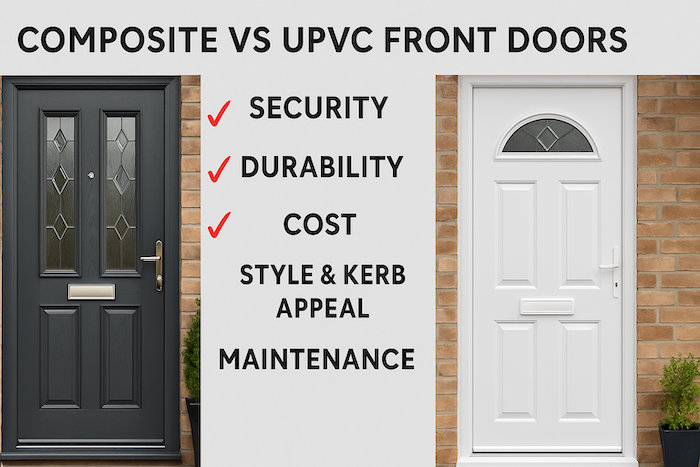
Your front door does more than just welcome visitors, it’s the first line of defence against Scotland’s unpredictable weather and a big factor in your home’s overall kerb appeal. When it comes to upgrading, many homeowners find themselves weighing up composite front doors UK against traditional uPVC doors. So, which is the better choice? Let’s break it down with a clear front door types comparison, looking at security, durability, cost, style and maintenance. Security Composite doors: Made with multiple layers (timber, insulating foam and a reinforced outer skin), they’re extremely tough. Most come with multi-point locking systems as standard, making them one of the most secure options available. uPVC doors: Still secure when fitted with a modern locking system, but not quite as strong as composite due to their single-material structure. Winner: Composite doors, especially if security is your top priority. Durability Composite doors: Designed to last 25–35 years. They’re resistant to warping, cracking and fading even in Scotland’s damp, windy climate. uPVC doors: Typically last around 20 years. They’re weather-resistant but can sometimes discolour or warp under extreme conditions. Winner: Composite doors particularly in coastal or exposed areas. Cost Composite doors: Usually cost more upfront, with prices ranging from £800–£1,500 installed. uPVC doors: A more budget-friendly option, often £400–£900 installed. Winner: uPVC doors if you’re on a tighter budget, though composites may save money in the long run thanks to their lifespan. Style & Kerb Appeal Composite doors: Available in a wide range of colours, finishes and even woodgrain effects. They look more like traditional timber doors, which makes them ideal for Victorian terraces in Edinburgh or stone cottages in the Highlands. uPVC doors: Generally simpler in design, with fewer colour choices. Perfect for modern homes but may lack the “wow” factor in period properties. Winner: Composite doors if you’re looking for maximum style impact. Maintenance Composite doors: Almost maintenance-free. A simple wipe-down with soapy water keeps them looking fresh. uPVC doors: Also low maintenance, but can discolour over time if not cleaned regularly. Winner: Draw! both are easy to look after. Quick Comparison: Composite vs uPVC Front Doors Feature Composite Doors uPVC Doors Security Excellent (multi-layered, reinforced) Good (secure with modern locks) Durability 25–35 years, weather-resistant 20 years, may warp/discolour Cost Higher (£800–£1,500) Lower (£400–£900) Style Wide range, looks like timber Limited designs/finishes Maintenance Very low Low, but risk of discolouring Which Door Works Best for Scottish Homes? City flats (Glasgow, Edinburgh): Composite doors are a great choice for style-conscious urban homeowners who want a modern look with added security. Traditional properties (Victorian terraces, stone cottages): Composite doors in woodgrain finishes blend beautifully with older architecture. New-builds and budget-conscious projects: uPVC doors remain a reliable, affordable option for modern housing developments. FAQs Do composite doors warp in the Scottish climate?No. Composite doors are specifically designed to resist warping and swelling, even in damp and windy conditions. Are uPVC doors less secure than composite doors?Both can be secure if fitted with the right locking systems, but composite doors generally offer a stronger, more robust build. How long will a uPVC door last?Typically around 20 years, though exposure to coastal air or heavy rain can shorten its lifespan if not properly maintained. Is a composite door worth the extra cost?If you want a long-lasting, stylish, and highly secure option, then yes! Over time, the durability and low maintenance often justify the higher upfront price. Ready to Upgrade Your Front Door? Whether you’re leaning towards the affordability of uPVC doors or the premium security and style of composite doors, the right choice comes down to your budget, your home’s style, and your long-term plans. At The UPVC Company, we supply and fit both options across Scotland and deliver throughout the UK helping homeowners in cities, towns and rural areas choose the perfect door for their property. Get your free, no-obligation quote today and take the first step towards a warmer, safer, and more stylish home.
Installation Day: What to Expect When Replacing Your Windows & Doors
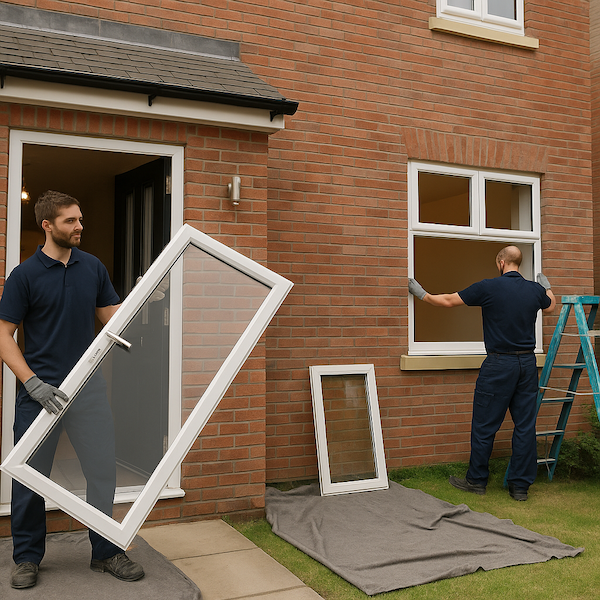
Thinking about upgrading your windows and doors? It’s a fantastic investment for your home, improving comfort, security and energy efficiency. But if you’ve never gone through the process before, you might be wondering what actually happens on installation day. This guide will walk you through everything you need to know about the replacing windows process in the UK, with a focus on what to expect from window installation in Scotland. Preparing Your Home A little preparation makes installation day go smoothly: Clear the area: Move furniture, ornaments and curtains away from windows and doors. Protect valuables: Installers will bring dust sheets, but it’s best to cover or remove anything delicate. Access: Make sure driveways and paths are clear so the team can bring in frames and glass safely. Tip: If you live in a tenement flat, check if scaffolding or extra access arrangements are required, your installer should handle permissions. What Installers Do on the Day Here’s a step-by-step overview of the process: Arrival & setup – The installation team arrives with tools, protective sheets, and your new windows/doors. Careful removal – Old frames are removed with as little disruption as possible. Fitting the new units – New windows/doors are securely fixed, levelled and sealed. Finishing touches – Trim, sealant and handles/locks are added. Testing – The installer checks that everything opens, closes and locks correctly. Typical Timeframes Single door: 2-3 hours Single window: 1-2 hours Full house (8-12 windows + doors): Usually 2-3 days These times can vary depending on property type and weather. In Scotland, installers sometimes adjust schedules if storms or heavy rain are forecast. Common Disruptions (and How to Handle Them) Noise & dust: Expect some drilling and hammering, plus dust when old frames are removed. Weather delays: Particularly relevant in Scotland, heavy rain or strong winds may cause pauses in work. Unexpected issues: Older properties can reveal hidden rot or structural challenges, but a good installer will explain solutions clearly. Clean-Up and Aftercare Our professional teams won’t leave your home in a mess. After installation you can expect: Rubbish and old frames taken away. All rooms swept/vacuumed. Windows cleaned and polished. A full demonstration of how to use your new locks and handles. Aftercare tips: Wipe frames occasionally, check seals seasonally and lubricate hinges/locks once or twice a year. Scotland-Specific Considerations Weather: Installers work year-round, but high winds and rain can cause rescheduling. Building regulations: Windows must comply with Scotland’s stricter U-value requirements for energy efficiency. Tenement flats: Some may need scaffolding or stair access agreements. Always use an installer experienced with these property types. FAQs Do I need to be at home during installation?It’s recommended. You don’t need to however, but being there helps if installers need quick decisions. Will there be a lot of mess?Not really. Good installers use dust sheets and tidy up thoroughly. There may be a bit of noise and dust during removal. How long does a full installation take?Most whole-house projects take 2-3 days, depending on size and weather conditions. What if it rains on installation day in Scotland?Light rain usually isn’t a problem. For safety, work may pause during heavy rain or storms. Ready to Book Your Installation? Replacing your windows and doors doesn’t have to be stressful. With the right team, the process is smooth, efficient and leaves you with a warmer, quieter and more secure home. At The UPVC Company, we’ve been helping homeowners across Scotland with expert window installation and door replacements for years. Book your free survey or installation quote today and let’s get your project started.
Why The UPVC Company is the Best Choice for Quality Windows and Doors

When it comes to upgrading your home with new windows or doors, you want a company that offers more than just a product, you want reliability, expertise and value. At The UPVC Company, we’re proud to be the leading choice for homeowners across the UK, combining top-quality UPVC double glazing with fast service, professional installation and FREE nationwide delivery. Local Installations You Can Trust For customers within our local area, we offer a complete installation service. Our team of highly trained and accredited installers ensures every window and door is fitted with precision, meeting and exceeding building regulation standards. From initial consultation to final sign-off, we guarantee a seamless experience and results that last for decades. Did you know? Poor installation is one of the main reasons windows underperform, even if they’re A+ rated. That’s why we only work with trusted experts who know how to get it right the first time. FREE UK-Wide Delivery Not in our local area? No problem. We deliver our full range of UPVC windows and doors anywhere in the UK, completely free of charge. Our products are carefully packaged and transported by reliable logistics partners to ensure they arrive in perfect condition, ready for installation. This means whether you’re in London, Edinburgh, Cardiff or a rural village, you can benefit from the same high-quality products without paying a penny for delivery. Fast Turnaround Times We know home improvements can’t wait. That’s why we’ve streamlined our processes to guarantee fast delivery and quick installation. Our UK-based manufacturing and distribution network means shorter lead times and a smoother experience for our customers. Unbeatable Value – The Best Prices Guaranteed Quality doesn’t have to come with a premium price tag. At The UPVC Company, we work directly from our own supply chain, cutting out unnecessary middlemen. This allows us to pass on significant savings to our customers while maintaining exceptional product standards. Did you know? Energy-efficient UPVC double glazing can save you up to £350 per year on heating bills, meaning our products don’t just pay for themselves, they keep saving you money year after year. Why Choose Us? ✔ Local installation by accredited experts ✔ FREE nationwide delivery on all orders ✔ Fast turnaround times you can rely on ✔ Best prices guaranteed, without compromising quality ✔ Decades of industry expertise and trusted service When you choose The UPVC Company, you’re choosing more than just windows and doors, you’re choosing a partner committed to making your home warmer, safer and more stylish, all at the best value in the UK.
How to Choose the Best uPVC Windows for Your Scottish Home

If you live in Scotland, you’ll know how much our homes need to put up with wind, rain, chilly winters and the occasional burst of sunshine. One of the best ways to make your home warmer, quieter and more stylish is by upgrading your windows. But with so many choices out there, how do you know which are the best uPVC windows for your home? Don’t worry, we’ll walk through the different styles, energy-saving features, design options and even some Scotland-specific advice to help you make the right decision. Why are uPVC windows so popular in Scotland? uPVC windows are the go-to choice for many Scottish homeowners because they’re tough, low-maintenance, and cost-effective. Here’s the quick version: They stand up to Scotland’s damp climate without rotting or warping. They’re fantastic at keeping the heat in (and your bills down). A simple wipe-clean frame means no sanding, painting, or sealing. They’re one of the most affordable window materials available. Which window style should you choose? Casement windows These are the classic ones that open outwards on side hinges. They’re super secure and easy to use, a safe bet for almost any home. Tilt & turn windows Perfect if you want flexible ventilation. Tilt them inwards at the top to let air in or swing them open fully for easy cleaning. Great for flats or homes in busier areas. Sash windows If you live in a Victorian or Georgian property, sash windows are a must. Modern uPVC sash windows look just like traditional timber ones but give you the insulation and low-maintenance benefits of uPVC. What about energy efficiency? Keeping your home warm is a top priority in Scotland, and that’s where U-values come in. What’s a U-value? It’s basically a rating for how well a window keeps heat inside your home. The lower the number, the better. What should you aim for? In Scotland, windows with a U-value of 1.4 W/m²K or lower are recommended. Double or triple glazing? Double glazing is standard, but triple glazing can be a smart investment if you live somewhere particularly cold or exposed, like the Highlands or coastal towns. Do uPVC windows come in different colours and designs? Yes and the choice might surprise you! You’re no longer limited to plain white frames. Some of the most popular options include: Woodgrain finishes if you want the traditional look without the timber upkeep. Anthracite grey or black for a sleek, modern edge. Classic white for a clean, timeless appearance. You can also pick different handle finishes (chrome, brass, matte black) to match your interior style. Matching your windows to your home Scotland has such a wide mix of property styles, so here are some quick suggestions: Modern new-builds: Casement or tilt & turn designs in grey or black look fantastic. Period homes: Sash windows with a woodgrain finish help keep that authentic look. Stone cottages or farmhouses: Cream or oak finishes sit beautifully against stonework. Special things to think about in Scotland Weatherproofing: If your home is in a coastal or exposed area, it’s worth choosing reinforced frames and storm-resistant glazing. Condensation: Trickle vents or tilt & turn windows help keep air moving, reducing damp. Older housing stock: If you own a listed property, you may need planning permission for replacements, but modern uPVC sash windows often get approved where timber isn’t mandatory. FAQs How long do uPVC windows last in Scotland?On average, around 20–30 years. If you look after them properly, they can last even longer. Are triple glazed windows worth it here?If you’re in a colder part of Scotland or near a noisy road, absolutely. They keep more heat in and reduce outside noise. Can I swap old timber sash windows for uPVC?Yes you can and many homeowners do. Modern uPVC sash designs look almost identical but are much easier (and cheaper) to maintain. Will new windows really save me money on heating?Yes! By reducing heat loss, you could save up to 20% on your heating bills each year. Ready to make the switch? Choosing the right windows isn’t just about looks, it’s about making your home warmer, quieter and more comfortable for years to come. At The UPVC Company, we’ve helped thousands of homeowners across Scotland find the best uPVC windows for their property. Whether you live in a modern city flat or a traditional stone cottage, we can help. Book your free home survey today and start planning your upgrade.
Expert Guide to Choosing the Right Installer in Scotland and Beyond
Investing in new UPVC windows and doors is one of the best upgrades you can make for your home, but the quality of the installation is just as important as the quality of the product itself. Even the most advanced, A+ rated UPVC windows won’t perform properly if poorly fitted. That’s why choosing the right installer is crucial and why industry knowledge can save you time, money and stress. Accreditation and Certification The first thing to check is accreditation. In Scotland and across the UK, professional installers should be registered with recognised bodies such as FENSA, CERTASS or Scottish Building Standards certification schemes. These accreditations prove that the installer is compliant with regulations and that your installation will be recorded properly. Did you know? In Scotland, replacement windows must comply with Part J (Ventilation) and Part L (Energy Efficiency) of building standards. Choosing an accredited installer ensures these requirements are met without complications. Experience with Local Conditions Scotland’s climate is unique – cold winters, heavy rainfall and strong winds, particularly in coastal and Highland regions. An installer familiar with these conditions will recommend the right glazing, seals and hardware to ensure your windows and doors remain secure, draught-free and weatherproof for decades. Insurance-Backed Guarantees Reputable installers should provide both product warranties and insurance-backed guarantees. This means that even if the installation company ceases trading, your guarantee remains valid. It’s a mark of professionalism and gives you peace of mind. Customer Reviews and Reputation In the digital age, customer feedback is invaluable. Check Google Reviews, Trustpilot or local trade directories to see what past clients say about workmanship, punctuality and aftercare. A trustworthy installer will also be happy to provide references and examples of previous projects. Did you know? A survey by Which? found that almost 40% of customer dissatisfaction in home improvements came from poor communication and aftercare, not the product itself. Aftercare and Maintenance Support The relationship with your installer shouldn’t end the day your windows and doors are fitted. The best companies provide aftercare advice, maintenance guidance and responsive service in the rare event of a problem. This ongoing support is often what separates established industry leaders from short-term contractors. Why Choose UPVC Company At UPVC Company, we set the standard for professional installation across Scotland and the wider UK. Our installers are accredited, experienced and committed to excellence. From the first consultation to aftercare support, we ensure every project meets the highest industry standards. With the right installer, your UPVC windows and doors will deliver maximum comfort, security and energy efficiency – protecting your investment for decades to come.
Coastal Living in the UK – How UPVC Doors Outperform Alternatives
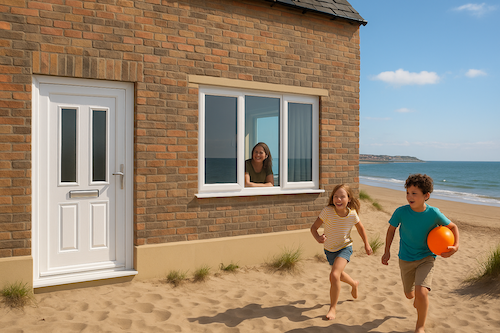
Living by the sea has countless advantages – beautiful views, fresh air and a unique lifestyle. But coastal conditions also present major challenges for your home. Salt-laden air, high winds and heavy rain can wreak havoc on materials not built to withstand them. When it comes to doors, UPVC has proven itself as the most resilient option for UK coastal living. The Challenge of Coastal Environments Salt particles carried in sea air accelerate the corrosion of metal and the decay of timber. Aluminium, though strong, can corrode within just a few years if protective coatings are scratched or damaged. Timber, while beautiful, is highly vulnerable to swelling, warping and rot without constant maintenance. UPVC, on the other hand, is naturally resistant to salt, moisture and UV exposure. It retains its shape and colour for decades, even in the harshest coastal environments. Did you know? Homes within a mile of the coast experience up to 10 times more salt exposure than inland properties, making material choice critical for longevity. Security and Durability Combined Coastal homes are often exposed to stronger winds and storms. UPVC doors are reinforced with steel or aluminium cores, offering excellent structural stability while maintaining corrosion resistance. Add multi-point locking systems and you get a door that is both secure and storm-proof. Energy Efficiency in Drafty Conditions Seaside breezes might feel refreshing outdoors, but inside your home they mean higher heating costs. UPVC doors feature weather seals, insulated cores and double- or triple-glazed panels that stop draughts and keep your home warm. This energy efficiency is particularly valuable in exposed coastal properties where heating demands can be higher. Low Maintenance for Coastal Lifestyles Timber doors near the coast may require painting or staining every year to combat salt and moisture damage. Aluminium doors need regular inspections and recoating to prevent corrosion. UPVC, however, only requires the occasional clean with soapy water to keep it looking fresh. Did you know? Modern foiled finishes on UPVC doors can resist fading and discolouration from UV rays for over 20 years, even in coastal sunshine. Style Without Compromise Some homeowners worry that choosing UPVC means sacrificing style. That’s no longer the case. Today’s UPVC doors are available in a wide range of colours, finishes, and designs, from traditional panelled front doors to sleek, modern patio doors. Woodgrain foils can replicate the look of timber, allowing you to enjoy the coastal charm without the coastal upkeep. The Clear Choice for Coastal Living For homeowners in coastal towns like Brighton, Scarborough or St Andrews, UPVC doors provide unmatched durability, weather resistance and energy efficiency. They’re the smart, stylish solution for anyone who wants to enjoy the benefits of coastal living without constant maintenance headaches.