
Scotland’s Unique Climate – Why UPVC Windows and Doors Are the Perfect Fit
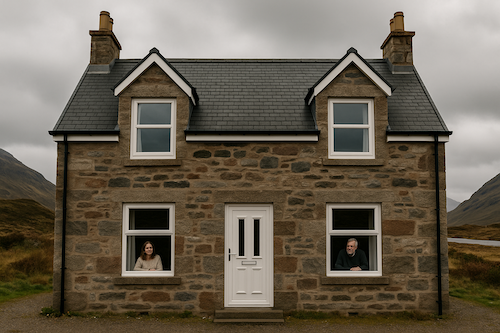
Scotland is renowned for its breathtaking landscapes, from rugged Highlands to sweeping coastlines. But homeowners across the country know that the weather can be as dramatic as the scenery. With frequent rain, strong winds and colder winters, choosing the right windows and doors isn’t just about looks, it’s about protecting your home and keeping energy bills under control. That’s where UPVC excels. Built for Harsh Weather Scotland’s climate is wetter and windier than much of the UK. In coastal towns such as Oban or Aberdeen, salt-laden air and driving rain can quickly damage timber or untreated aluminium. UPVC, however, is naturally resistant to moisture, rot and corrosion. It won’t warp, swell or rust, making it the perfect long-term solution for unpredictable conditions. Did you know? Some regions of Scotland experience over 250 days of rainfall per year. Investing in watertight, weather-sealed UPVC windows and doors from The UPVC Company ensures your home stays dry and protected year-round. Energy Efficiency for Cold Winters Heating is one of the biggest household expenses in Scotland, where average winter temperatures are lower than in southern parts of the UK. Double or triple-glazed UPVC windows create a powerful thermal barrier, trapping warmth inside and reducing reliance on heating systems. Multi-chambered UPVC frames combined with A+ rated glazing can save homeowners hundreds of pounds annually in energy bills. This is particularly important in rural areas where fuel costs can be higher. Reducing Noise in Busy Cities It’s not just the Highlands and coasts, Scotland’s cities like Glasgow and Edinburgh also benefit from UPVC’s advantages. Traffic noise, busy streets and even late-night activity can be disruptive, especially in tenement flats. UPVC frames with acoustic glazing reduce noise pollution significantly, creating a quieter, more comfortable home environment. Preserving Scotland’s Heritage Look Scotland has many historic and period properties, particularly in conservation areas. Homeowners often worry about losing traditional aesthetics when upgrading windows. Modern UPVC sash windows and heritage designs replicate the timeless look of timber while offering all the advantages of modern performance, security, insulation and minimal maintenance. Did you know? Many local councils now approve heritage-style UPVC sash windows in conservation areas, provided they replicate the original design. This allows homeowners to enjoy modern efficiency without compromising on authenticity. Low Maintenance for Busy Lifestyles Life in Scotland often means battling muddy boots, wet weather and the practicalities of everyday family living. Unlike timber, which needs regular sanding and painting, UPVC requires little more than a quick wipe with soapy water to look as good as new. Even in the harshest conditions, UPVC frames retain their colour and shape for decades. The Perfect Fit for Scottish Homes Whether you live in a coastal cottage, a Highland farmhouse or a Victorian tenement flat, UPVC windows and doors are a practical, cost-effective and stylish investment. With their ability to withstand Scotland’s unique climate, reduce heating bills and preserve traditional aesthetics, UPVC is the clear choice for homeowners across the country.
The Role of Double Glazing in the UK’s Energy Efficiency Targets
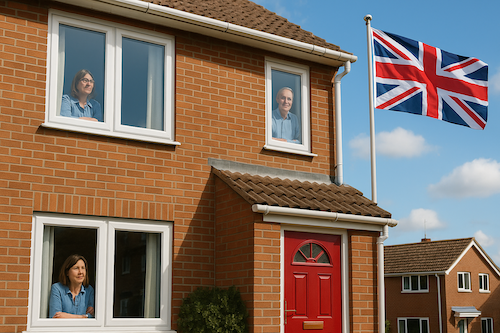
As the UK pushes toward net zero by 2050, energy efficiency in housing has become a national priority. With heating accounting for the majority of household energy use, windows and doors are under the spotlight. Poorly insulated glazing is one of the biggest contributors to wasted energy, but UPVC double glazing is helping to change that. Why Double Glazing Matters Double glazing consists of two panes of glass separated by a spacer, usually filled with air or an inert gas such as argon. This construction creates a thermal barrier that reduces heat loss in winter and prevents overheating in summer. Paired with UPVC’s naturally insulating frames, double glazing drastically improves a home’s thermal performance. The result? Lower energy bills, a smaller carbon footprint and a warmer, more comfortable home. Did you know? A single-glazed window can have a U-value of 5.0 W/m²K, while modern A+ rated UPVC double glazing can achieve as low as 1.2 W/m²K, cutting heat loss by up to 75%. Government Standards and Building Regulations The UK’s Building Regulations, particularly Part L, set minimum energy performance requirements for new and replacement windows. UPVC double glazing not only meets these standards but often exceeds them, making it one of the most compliant and forward-thinking options available. Homeowners looking to sell or rent properties must also consider EPC (Energy Performance Certificate) ratings. Higher-performing glazing can significantly boost a home’s EPC band, which directly affects its value and marketability. Did you know? Improving your EPC rating by just two bands can increase property value by up to 14%, according to UK estate agents. Financial Benefits for Homeowners While double glazing is an upfront investment, the payback is tangible. Energy Saving Trust data shows households can save up to £350 per year by upgrading to modern double glazing, with higher savings for homes that currently have single glazing. With energy costs continuing to rise, this investment will only become more valuable in the years ahead. Wider Environmental Impact If every home in the UK upgraded to energy-efficient double glazing, the nation’s carbon emissions would be reduced by millions of tonnes annually. That’s why UPVC double glazing isn’t just about individual comfort, it’s part of a collective effort to reduce the UK’s reliance on fossil fuels. The Role of UPVC Company At UPVC Company, we manufacture and install A+ rated double-glazed windows and doors that meet and exceed government standards. Our products are designed with longevity in mind, so homeowners can benefit from reduced bills and improved comfort for decades. By investing in UPVC double glazing, you’re not only making your home more efficient, you’re contributing to the UK’s future sustainability goals.
The Role of UPVC in Noise Reduction for Urban Homes
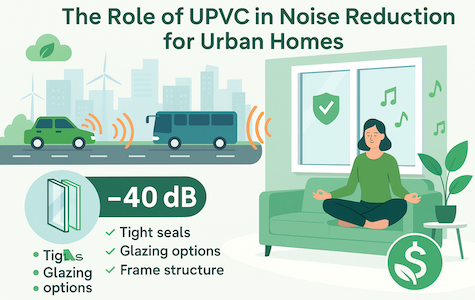
Living in a noisy environment, such as near a motorway, railway, airport, or even a bustling city centre can be a real challenge for homeowners seeking peace and quiet. The good news? UPVC double glazing can make a significant difference. UPVC window and door frames, when paired with acoustic glass, triple glazing, or wider air gaps between panes, can effectively block out a wide range of external noises. The material itself has a natural dampening effect thanks to its multi-chambered construction, which traps sound waves before they enter your home. Did you know? Using laminated acoustic glass can reduce noise by up to 40 decibels, turning the roar of nearby traffic into little more than background hum. Here are some key factors that make UPVC excellent for noise insulation: Tight Seals: UPVC windows and doors are fitted with high-quality gaskets and weather seals, reducing noise infiltration. Glazing Options: Acoustic or triple glazing enhances performance dramatically. Frame Structure: UPVC’s chambers act as sound buffers, unlike metal frames which can transmit sound more easily. Moreover, soundproof UPVC systems are perfect not only for homes but also for offices, schools, and rental properties where noise pollution can impact productivity and wellbeing. For the best results, combine UPVC frames with additional sound insulation in your walls or floors to create a tranquil living space. If you’re suffering from noise pollution, investing in high-quality UPVC windows and doors can dramatically improve your quality of life and property value.
Why Choose UPVC Company for Nationwide Supply and Installation?

Choosing the right supplier for your home improvements is as important as selecting the right product. UPVC Company is proud to offer a unique combination of nationwide reach and personalised, local service. We manage the entire process in-house from design to delivery and installation. This ensures strict quality control, reliable timelines, and accountability at every stage. Did you know? We use advanced software to manufacture and custom-fit every window and door to your specifications, minimising onsite adjustment and speeding up installation. Here’s what sets us apart: UK-Wide Delivery: We deliver nationwide, with efficient logistics to serve customers in cities, towns, and rural locations. Warranty & Guarantees: We’re insurance-registered and offer insurance-backed warranties for peace of mind. Customer Service: From initial consultation to aftercare, we prioritise clear communication and expert advice. Virtual Estimates: Get quotes or order online fast using our online form and upload your window dimensions or images. Whether you’re replacing a single unit or upgrading your entire home, we provide a smooth, professional experience with a single point of contact from start to finish. Join thousands of satisfied customers who’ve trusted UPVC Company to improve the look, comfort, and value of their homes.
The Future of the UK UPVC Industry – Innovation and Sustainability
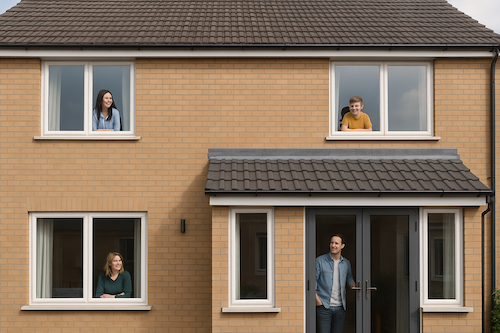
The UK’s UPVC industry has come a long way since the first white plastic-framed windows of the 1980s. Today, UPVC products are not only stylish and durable but also central to the nation’s push toward sustainability and smarter homes. Looking ahead, the future of the industry is set to be defined by innovation, energy efficiency and environmental responsibility. Smarter Homes with UPVC The demand for smart technology in homes is rising quickly. Modern UPVC windows and doors are increasingly being designed to integrate with smart systems, whether that’s sensors for improved ventilation, remote-controlled locking mechanisms or glass with solar-control coatings. Did you know? The latest triple-glazed UPVC windows can achieve U-values as low as 0.8 W/m²K, which puts them in line with the strict standards required for passive houses – the most energy-efficient homes in Europe. Sustainability at the Forefront The construction sector faces increasing pressure to reduce waste and carbon emissions. UPVC is one of the few building materials that can be recycled multiple times without losing performance. Across the UK, closed-loop recycling plants are turning old frames into new ones, helping reduce landfill waste. Leading manufacturers are also investing in greener production methods, such as using renewable energy in factories and sourcing recycled content for frames. This shift means future UPVC products will not only be energy-efficient once installed but sustainable throughout their entire lifecycle. Government Policy and Energy Targets The UK government’s energy strategy places a strong emphasis on improving the efficiency of housing stock. Stricter building regulations, such as Part L are already pushing the industry to deliver windows and doors with higher energy ratings. Homeowners are also becoming more aware of the importance of Energy Performance Certificates (EPCs). Upgrading from old single glazing to modern A+ rated UPVC double or triple glazing can significantly improve a home’s EPC rating, cutting heating bills and increasing property value. Did you know? Improving a property’s EPC rating by just two bands can increase its market value by up to 14%, according to leading UK estate agents. Design Innovation The future of UPVC isn’t just about performance, it’s also about design. Homeowners now expect more choice, from sleek anthracite grey finishes to woodgrain foils that mimic natural timber. Future trends point to even more customisation, with dual-colour options and flush-fit frames that combine modern aesthetics with outstanding efficiency. Looking Ahead As we move toward 2050 and the UK’s net-zero carbon targets, the UPVC window and door industry will remain a central player. With constant innovation in materials, design, and technology, UPVC is no longer simply a cost-effective choice, it’s a forward-thinking investment for the future of every UK home. Get in touch today for top quality UPVC windows and door products at the best prices.
How to Maintain Your UPVC Windows and Doors for Decades of Use
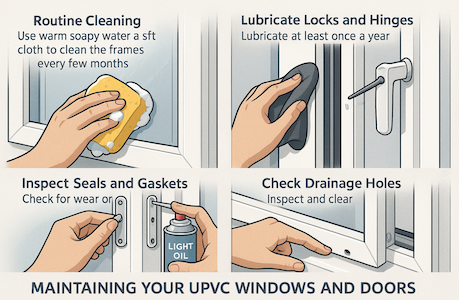
One of the major appeals of UPVC is how low-maintenance it is. But “low maintenance” doesn’t mean “no maintenance” a few simple practices can extend the lifespan of your UPVC windows and doors well beyond 30 years. Routine Cleaning Use warm soapy water and a soft cloth to clean the frames every few months. Avoid abrasive cleaners or scouring pads as they can scratch the surface and damage the protective finish. Did you know? The glossy finish on quality UPVC resists UV fading for over 20 years with minimal upkeep, keeping your windows and doors looking fresh. Inspect Seals and Gaskets Seals and gaskets are essential for thermal insulation and weatherproofing. Clean them gently with a damp cloth to remove dust and dirt, and check regularly for any signs of wear or damage. Replacing worn or damaged seals early can prevent draughts and condensation, helping maintain energy efficiency. Lubricate Locks and Hinges Locks and hinges should be lubricated at least once a year with silicone spray or light oil to ensure smooth operation and prevent rust. Did you know? Proper lubrication can extend the life of mechanical parts by several years, reducing the risk of costly repairs. Check Drainage Holes UPVC frames include built-in drainage channels that allow rainwater to escape. These holes can sometimes become blocked by debris or dirt. Regularly inspect and clear drainage holes to prevent water from pooling inside the frame, which can cause damage over time. Regular care ensures continued performance, avoids costly repairs, and maintains your home’s energy efficiency. A little attention now saves a lot later, making UPVC windows and doors a truly hassle-free investment. Need maintenance tips tailored to your home? Contact UPVC Company for expert advice and support.
UPVC vs Timber and Aluminium – A Head-to-Head Comparison
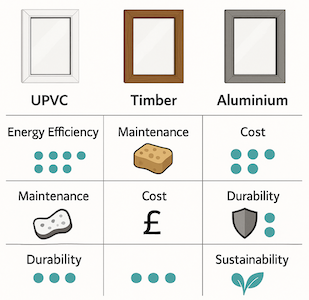
Choosing between UPVC, timber, and aluminium windows or doors involves weighing the pros and cons of each material. Here’s a direct comparison: Energy Efficiency UPVC leads the way due to its excellent insulating properties. Its multi-chambered profile significantly reduces heat transfer. Timber also insulates well but needs to be properly treated and maintained. Aluminium, while strong, conducts heat and cold unless it includes a thermal break. Maintenance UPVC is virtually maintenance-free, requiring only a wipe down with soapy water occasionally. Timber demands regular painting or staining to protect against rot, while aluminium may require coating maintenance, especially in coastal environments. Cost UPVC is typically the most affordable both in upfront cost and ongoing maintenance. Timber is the most expensive due to higher material and care costs. Aluminium sits in the middle, but custom finishes and large glazed units can increase the price. Durability Aluminium excels in structural strength, especially for large panes or modern architectural designs. UPVC is also very durable and resistant to warping and weathering. Timber, while beautiful, is susceptible to moisture, rot, and pests if not maintained. Did you know? UPVC can now be manufactured with a woodgrain finish that mimics timber so well, it’s almost indistinguishable but with none of the upkeep. Sustainability UPVC is 100% recyclable and has improved significantly in its environmental impact in recent years. Aluminium is also recyclable but energy-intensive to produce. Timber can be a sustainable option if it’s FSC-certified, though chemical treatments can reduce its eco-friendliness. Conclusion:For most UK homeowners, UPVC offers the best balance of efficiency, affordability, and longevity. It provides the aesthetics of timber and strength close to aluminium, all with minimal fuss. Need help deciding what’s right for your home? Contact UPVC Company for expert advice tailored to your property and budget.
UPVC Colour Options and Styles – Beyond Standard White
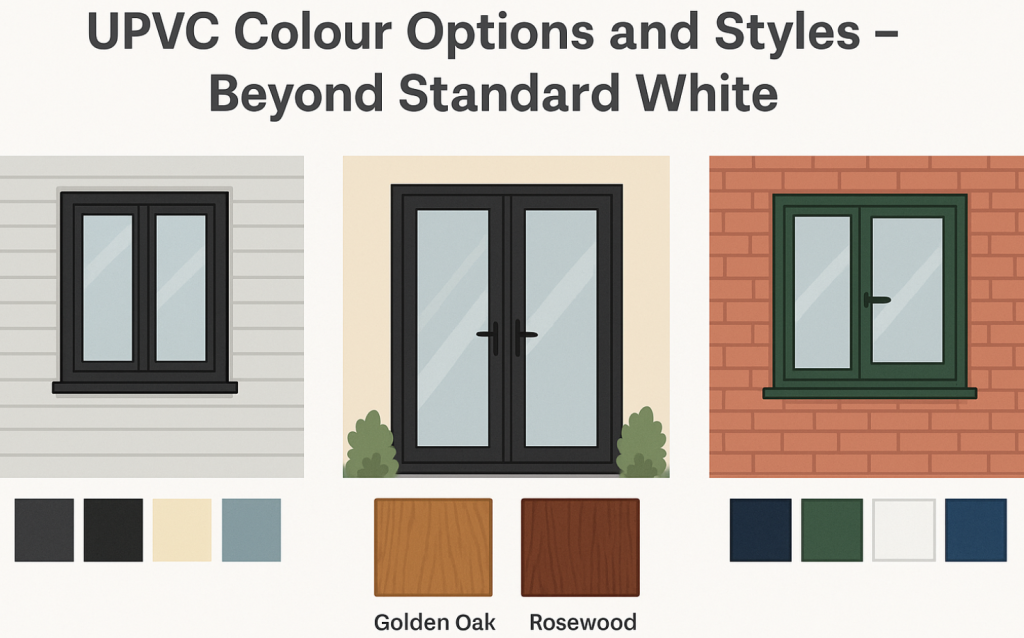
Gone are the days when UPVC was only available in white. Today, homeowners can choose from a wide palette of colours, woodgrain textures, and finishes that stay vibrant for decades. Popular contemporary choices include anthracite grey, black, cream, and even bold blues or greens. Woodgrain finishes, such as golden oak or rosewood offer the appearance of real timber while maintaining UPVC’s benefits. Did you know? Modern foiled UPVC finishes are heat-bonded to the frame, making them resistant to fading, flaking, or peeling, even after 15+ years of sun exposure. Customers often ask whether coloured UPVC frames require more maintenance. The answer is no, they’re just as easy to clean and maintain as white frames. Coloured UPVC can also be dual-finish, with a different tone inside and out—perfect for matching interior decor while complementing exterior architecture. Whether you’re upgrading or building new, colour is a powerful tool for enhancing kerb appeal. And with our wide range of options, UPVC can match your vision.
Exploring the Range of UPVC Window Styles Available
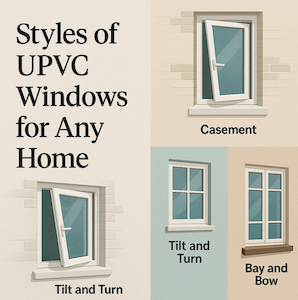
UPVC windows are prized for their versatility, offering a wide range of styles to suit any type of home. Whether you live in a traditional cottage or a modern townhouse, there’s a UPVC window style designed to enhance your property’s character while providing excellent performance. 1. Casement Windows – The Classic Choice Casement windows are hinged at the side and open outward, providing excellent ventilation and unobstructed views. They are one of the most common window styles in the UK due to their practicality and ease of use. Did you know? Casement windows can be fitted with friction hinges that allow you to keep them open at various angles, improving airflow without the worry of slamming shut on a windy day. 2. Sash Windows – Traditional Elegance Sash windows slide vertically and are iconic features in many period properties. Modern UPVC sash windows combine the classic look with modern benefits like double glazing and enhanced security. These windows are designed to be easy to clean and maintain, unlike older timber versions that require regular painting. 3. Tilt and Turn Windows – Flexible Ventilation Popular in modern homes, tilt and turn windows open inward and offer two opening options: tilting at the top for secure ventilation, or swinging inwards fully for easy cleaning. Their airtight seals and multi-point locking systems ensure superior energy efficiency and security. 4. Bay and Bow Windows – More Space and Light Bay and bow windows project out from the main walls, creating additional internal space and flooding rooms with natural light. UPVC versions are highly durable and require minimal upkeep compared to traditional timber frames. Did you know? Bay windows can add up to 15% to a property’s market value by enhancing curb appeal and interior space. 5. Fixed Windows – Style Without Ventilation Fixed windows don’t open but provide excellent natural light and views. They are often used as part of larger window combinations or to fill awkward spaces. UPVC fixed windows come with high-quality glazing and frames designed to withstand the elements while complementing other window styles. Choosing the right window style can enhance your home’s aesthetics, security, and energy performance. UPVC Company offers a comprehensive range of styles tailored to your property, backed by expert advice and professional installation across the UK. Ready to explore your options? Contact us today for personalised guidance and a free quote.
Benefits of Double Glazing with UPVC Windows and Doors
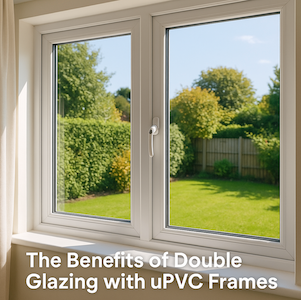
Double glazing has become the standard for modern windows and doors in the UK, and when combined with UPVC frames, it offers homeowners a multitude of benefits. If you’re considering upgrading your windows or doors, understanding the advantages of double glazing can help you make an informed decision. 1. Enhanced Energy Efficiency Double glazing consists of two panes of glass separated by a gap filled with air or inert gas like argon. This design significantly reduces heat transfer, keeping your home warmer in winter and cooler in summer. When paired with UPVC frames which have multi-chambered insulation the overall thermal performance is maximised, often exceeding building regulations requirements. Did you know? Switching from single to double glazing can reduce your heating bills by up to 25%. 2. Improved Noise Insulation If you live near busy roads, train lines, or airports, double glazing with UPVC frames can dramatically reduce noise pollution inside your home. The sealed gap between the glass panes acts as a sound buffer, while the UPVC’s thick frame adds further noise insulation. 3. Increased Security Double glazed units are tougher to break than single panes, and many come with laminated or toughened glass options. Combined with UPVC’s robust multi-point locking systems, your doors and windows become much more resistant to forced entry. 4. Reduced Condensation Condensation can be a common issue on older single-glazed windows, leading to mould and damp problems. Double glazing with UPVC frames keeps the inner pane closer to room temperature, reducing moisture build-up and promoting a healthier indoor environment. 5. Added Property Value Homes with double glazed UPVC windows and doors are more attractive to buyers due to energy savings and enhanced comfort. Installing double glazing can increase your property’s market value while improving its kerb appeal. Double glazing combined with UPVC frames provides a winning formula of efficiency, security, and comfort. At UPVC Company, we supply high-quality double glazed units tailored to your home’s specific needs, with professional installation anywhere in the UK. Interested in upgrading your windows and doors? Reach out to our team today for expert advice and a free quote.
UPVC Sliding Doors vs French Doors – Which Is Right for You?
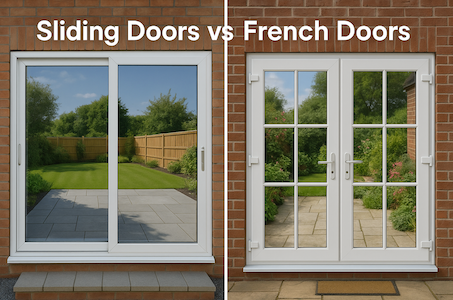
When planning a patio or rear entrance, homeowners are often torn between UPVC sliding doors and French doors. Both offer stylish transitions to outdoor spaces, but the right choice depends on your home layout, lifestyle, and personal preferences. Sliding Doors are sleek and modern, offering unobstructed views thanks to large glass panes. They slide open along a track rather than swinging, which makes them ideal for areas with limited space. French Doors, by contrast, swing open on hinges and are typically more traditional in design. They’re perfect for period-style homes or where a more classic aesthetic is desired. Did you know? Modern UPVC sliding doors come with built-in lift-and-slide mechanisms that improve airtight sealing, which wasn’t available in older versions. French doors often provide a wider opening, which is great for moving furniture in and out or ventilating the home on warm days. However, they require more clearance to swing open fully. In terms of security, both styles can be fitted with multi-point locking systems and toughened glass. Sliding doors often feature anti-lift tracks and reinforced rails, while French doors include shoot bolts and hook locks. Energy efficiency is comparable between both types when using double or triple glazing, but sliding doors can edge ahead in airtightness thanks to fewer opening seams. Choosing between the two is often about balancing form and function. Our UPVC versions of both come in a range of colours and finishes to match any home.
Why UPVC Windows Are the Best Choice for UK Homes
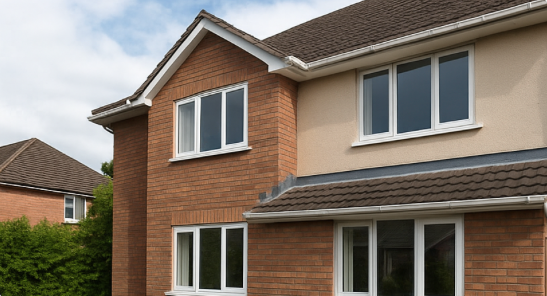
When it comes to choosing windows for your home, UPVC (unplasticised polyvinyl chloride) stands out as a clear favourite across the UK and for good reason. Combining long-term performance, affordability, and minimal upkeep, UPVC windows continue to be the top choice for homeowners looking for both practicality and style. 1. Energy Efficiency That Pays Off Did you know that up to 25% of your home’s heat loss occurs through poorly insulated windows? UPVC windows are engineered with multi-chambered frames that trap heat, drastically improving thermal insulation. When paired with double or triple glazing, they reduce your energy bills and help maintain a stable indoor temperature year-round. UPVC frames also outperform alternatives like timber or aluminium when it comes to retaining heat. This makes them particularly suited to the UK’s variable climate, where keeping homes warm efficiently is a must. 2. Low Maintenance, High Longevity Unlike wooden windows that require regular sanding, painting, or sealing, UPVC windows are virtually maintenance-free. A quick wipe-down with soapy water keeps them looking brand new. They won’t rot, flake, rust, or warp even after decades of use. Did you know? High-quality UPVC windows can last over 30 years without losing structural integrity or colour, especially those with UV-resistant coatings. 3. Security You Can Trust Modern UPVC windows are fitted with multi-point locking systems, internal glazing beads (to prevent removal from the outside), and reinforced frames for maximum protection. Their inherent strength adds a layer of security to your home, deterring break-ins and giving you peace of mind. 4. Noise Reduction for Urban Living Living near a busy street or flight path? UPVC windows can dramatically reduce external noise, especially when paired with acoustic glass or triple glazing. The multi-chamber frame design helps insulate against sound just as effectively as it does against heat. 5. Environmentally Responsible It’s a common myth that UPVC isn’t eco-friendly. In fact, UPVC is fully recyclable. Most reputable manufacturers, including UPVC Company, follow sustainable practices that reuse off-cuts and old frames. By reducing heat loss, these windows also help lower your household’s carbon footprint. 6. Aesthetic Versatility Forget the old-fashioned image of white plastic frames today’s UPVC windows come in a huge range of colours and finishes, including woodgrain textures that replicate the look of traditional timber. From sleek anthracite grey to natural oak, you can match your windows to any style of home. Whether you’re renovating a traditional terrace or building a modern new home, UPVC windows offer unbeatable value, durability, and performance. At UPVC Company, we supply and install premium UPVC windows across the UK, tailored to your home and budget. Ready to upgrade? Contact our expert team today for a free, no-obligation consultation.